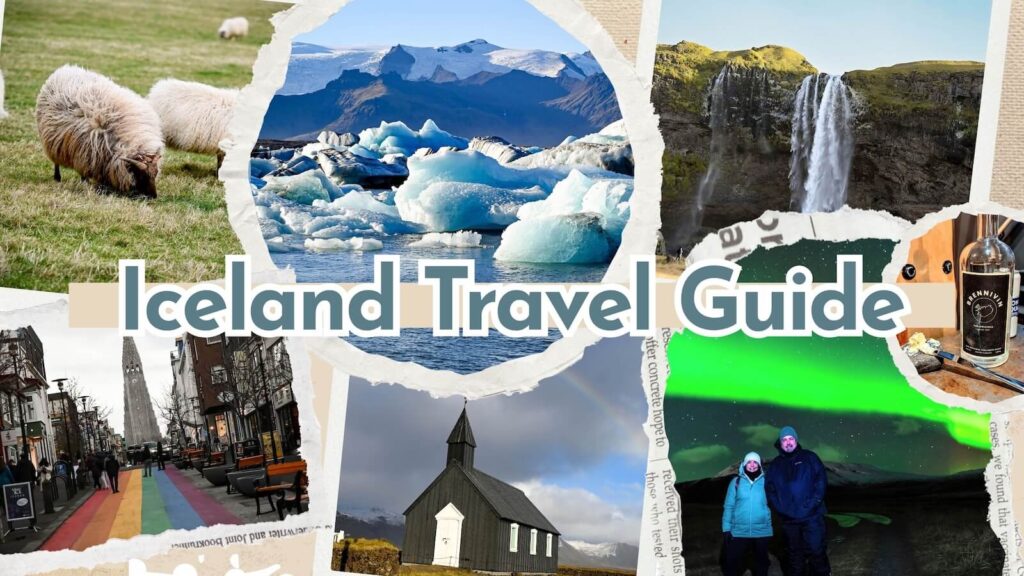
your Guide to Visiting Iceland

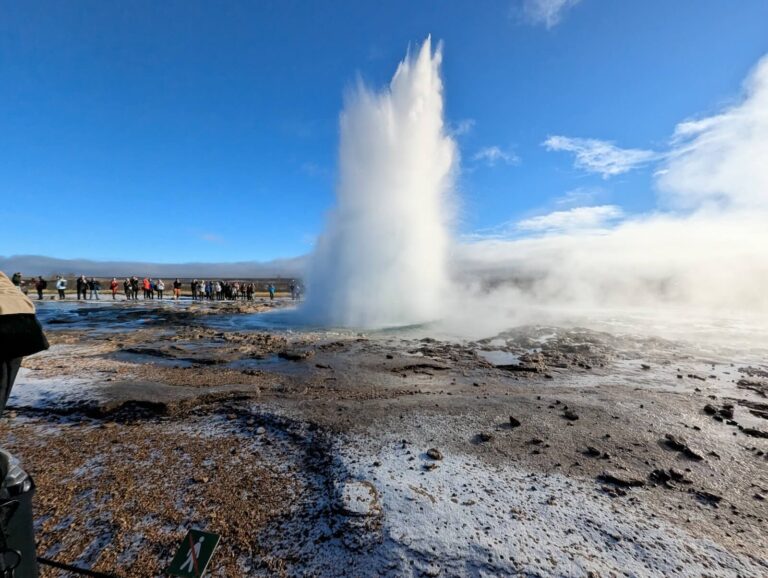
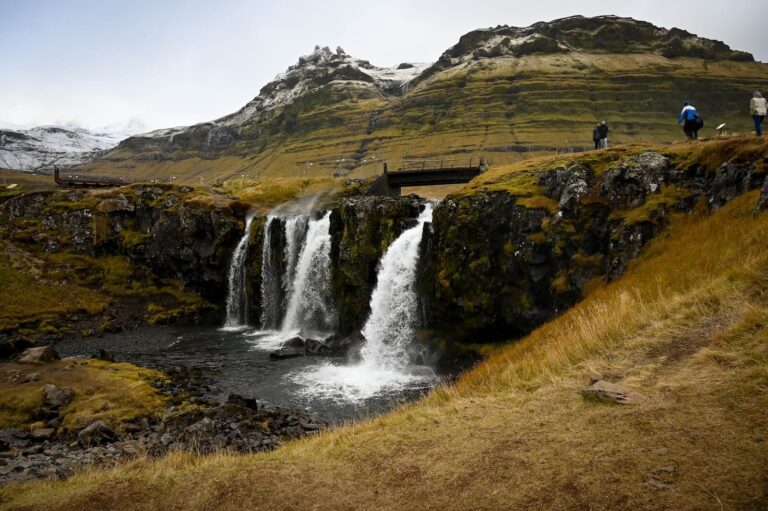
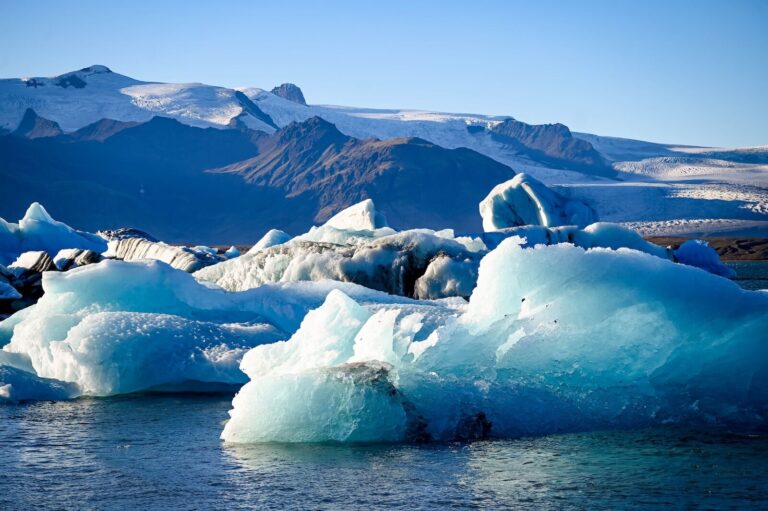
Iceland is hands down one of my all-time favorite destinations! The scenery is incredible at every turn from towering waterfalls and glaciers to black sand beaches, quaint seaside towns, and even a glacier lagoon!

Sometimes, it even feels like you’re on a different planet, which is understandably why sci-fi movies and fantasy shows (like Game of Thrones) get to film here.

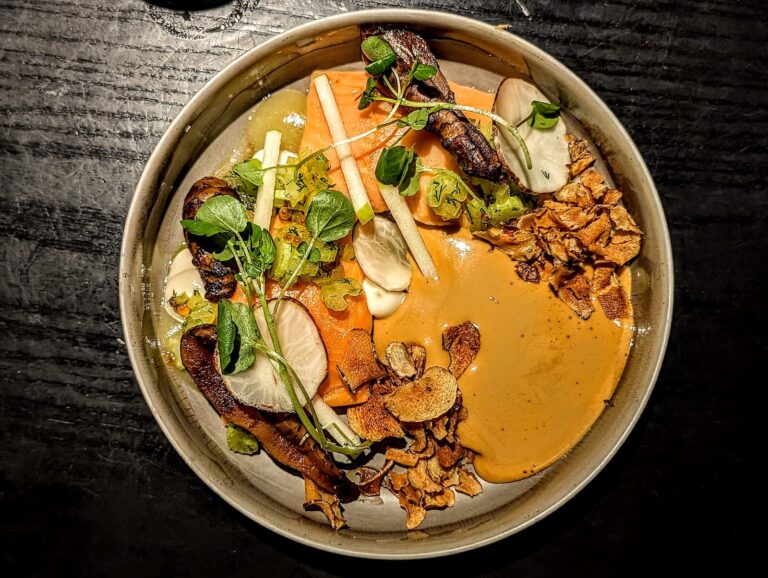
You might also be surprised to find out that Iceland is actually a worthy foodie destination with chefs cooking up creative dishes with locally-sourced seafood, lamb, and sustainably-grown produce. While dining out here may be expensive, the food here is worth every penny.

Check out all my Iceland guides on this page to put together your own adventure to discover this incredible country!

Iceland Hotels We’ve Stayed in

Unique Iceland Stays I’d love to Try


Book Iceland Car Rentals

I booked with Zero Car (Blue Car’s sister company) and highly recommend them!
  • Full coverage insurance automatically included
  • 24/7 roadside assistance included
  • Contactless check in/drop off is seamless

frequently asked questions

Although Iceland only recognizes two seasons – summer and winter, according to the Old Icelandic calendar – meteorologically speaking, it does experience all four seasons (even if spring and autumn feel quite short!). I’ve personally only visited Iceland in autumn, but each season has its own pros and cons.

  • Spring (March – May): Typically a “shoulder season,” but you can get lucky with seeing the Northern Lights in early spring. Overall weather can be a little iffy (aka unpredictable and sometimes wild) coming off winter (especially in March/April), and seems to be the least recommended season from Iceland experts.
  • Summer (June – August): Obviously the best season for weather, there’s more daylight (including the midnight sun hours), the highland roads are open, and it’s puffin season! Summer also does mean busy season, which equals more crowds and competitive pricing and availability for hotels and tours.
  • Autumn (September & October): I loved visiting Iceland in the fall! Summer crowds fade, restaurant availability is open, and hotel pricing drops. In terms of weather, it can rain a lot in autumn and it will be super windy in many places! Much like spring, the weather is unpredictable so be prepared for anything. The Northern Lights also start to show up here and although they are never guaranteed, chances of sighting can be decent (we saw them in October!).
  • Winter (Late October – February): If Northern Lights are on your bucket list, winter is the season to go. However, daylight hovers around 4-5 hours, which makes daytime activities hard to plan. You should also be prepared for ice and snow with possible road closures due to weather.

The best way to get around Iceland is by rental car. The freedom and flexibility it offers is unmatched. It’s also very easy to drive in Iceland (weather permitting of course).

That being said, if you aren’t up for driving, you can get a Flybus to Reykjavík and take group tours from there to visit some of the regions accessible for days trips from Reykjavík. You could also book a multi-day tour if you want to spread your wings a bit.

  1. Try the local cuisine! Yes, food in Iceland is expensive but there are so many dishes, drinks, and snacks that are unique to Iceland – some with centuries-worth of history.
  2. Tipping is not a thing in Iceland, although some tour guides will accept tips. The only time we did tip in Iceland was our food tour and Northern Lights tours because they spent hours with us!
  3. Keep off the moss at scenic sights – it is very delicate and takes decades to regrow.
  4. The tap water in Iceland is the best! Skip buying a bunch of plastic water bottles and bring a reusable one to refill in your hotel rooms.