This post may contain affiliate links wherein I earn a small commission if you purchase or subscribe to a product from one of my links (at no extra cost to you!). Read my full Privacy Policy here.
Wondering what to eat in Spain’s Basque Country? From dry-aged steak and fresh seafood to decadent cheesecakes and pastries, this list will help inspire your culinary journey.
Spain’s Basque Country is hands down the best food destination I’ve ever been to! The Bay of Biscay offers a bounty of fresh seafood. A lush landscape, kept verdant by a wet and relatively cool climate, offers a haven for cows and sheep. The region has coastal hills lined with grapevines and apple orchards producing crisp txakoli wine and cider. Fresh, local ingredients are plentiful and that’s truly evident by what you find on the plates in this part of Spain!
The culinary scene in Basque Country is simply impressive. It’s famous for its pintxos culture, where gourmet small bites are front and center. This region also has one of the highest concentrations of Michelin-starred restaurants in the world! If you want to experience Basque ingredients in a bougie way, this is the place to do it.
Regardless of your dining style, there are some clear dishes and ingredients that you should seek out when visiting the Basque Country.
Pintxos Culture
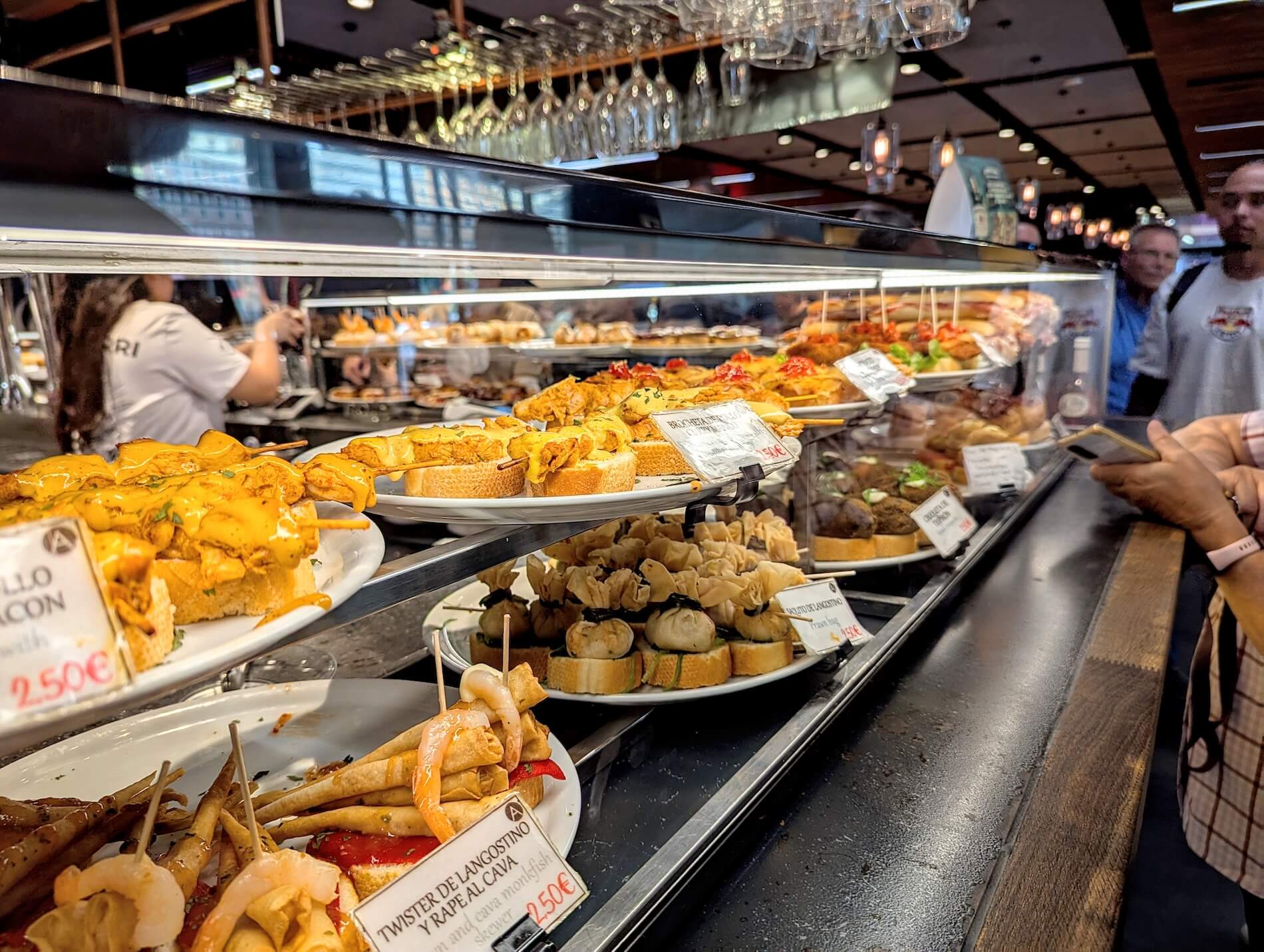
But first – let’s talk about pintxos (pronounced “peen-chos”)! Most people tend to think of “tapas” when it comes to Spanish cuisine. However, when in Basque Country, pintxos are the star.
Rather than larger plates for sharing like tapas, pintxos are smaller, individual portions of food that can often be eaten in just one or two bites. They’re also usually served either on a stick, small piece of bread, or small plate. The beauty of pintxos is that you get to try SO many different things before filling up, especially if you’re two people sharing (except Gildas – those are most definitely one-bite pintxos).
In a region with filled with Michelin-starred chefs, you can expect artistry to extend to pintxos too. There are plenty of simple pintxos, but many of them are elevated little bites – inventive with use of ingredients and in presentation! It’s an incredibly fun and relatively affordable way to eat.
Pintxos Crawl Tips
Part of the fun of eating pintxos in Basque Country is doing a txikiteo (“chi-ki-teo”) or pintxos crawl (or maybe two…or three). We easily turned pintxos into a full meal by doing this and tried such a huge variety of dishes.
Ordering pintxos does require a bit of nuance though. Here are some of my tips:
- Embrace the chaos: Pintxos bars can be small, crowded, and a little chaotic. Put on your big girl (or boy) pants when ordering and don’t be afraid to elbow your way to the bar to get attention.
- Be prepared to stand: Seating can be limited in bars. You need to be okay with standing to have your pintxos and drinks, sometimes even out on the street in front of the bars.
- Order hot pintxos: You’re going to see lots of pretty pintxos on bar tops, but most spots will also have a hot pintxos menu too. These are often some of the most delicious dishes!
- Don’t linger: The key is to pick one or two specialties at each bar to have with a drink. Enjoy your bites and sips, and then move onto the next spot to make room for others.
- Double check kitchen hours: Siesta time is real in Spain. Most places close their kitchens in the late afternoon for a few hours and Google Maps doesn’t always reflect that.
- Learn a few Spanish words: Basic Spanish goes a long way, especially when ordering food. Learn numbers, how to ask for a glass of wine, beer, and the check, and basic greetings.
Pintxos aren’t just about the food in Basque Country – they’re a part of the Basque way of life. It’s a time where people get to unwind, eat some tasty bites, and socialize with their community. Immerse yourself in the experience!
Top Dishes to Try in Basque Country
(That I’ve Had So Far)
I really fell in love with Basque cuisine and while I’m far from an expert, there are so many things that should be on your foodie bucket list when visiting this amazing region of Spain.
From my research (aka lots and lots of eating), here are some foods and dishes that I think are a must-try when visiting Spain’s Basque Country.
Txuleta & Basque Beef
Forget thoughts of Iberian pork (though there’s plenty of that to go around) – when you come to Basque Country, shift your focus to the beef! Txuleta (pronounced “chu-leta”) is a dry-aged cut of meat you’ll see on many menus – a Basque T-bone steak from older, retired dairy cows or ox ranging from 5 years old up to as old as 18.
Txuleta is all about the flavor of the beef. Due to the ages of the cows, txuleta has time to develop a more intense flavor profile. Chefs prepare these yellow fat capped steaks simply by searing them with salt and letting the meat speak for itself. These steaks are served rare or medium rare to preserve those special flavors.
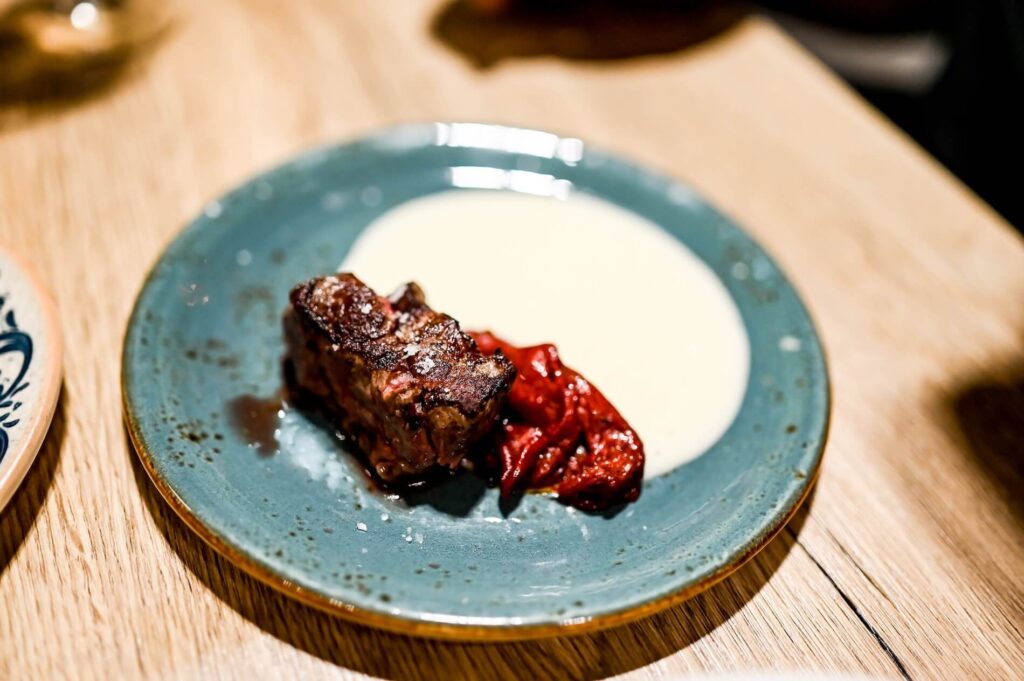
At places like Bar Nestor in San Sebastian, patrons can choose their cuts from a selection brought to the table. Txuleta is also a staple on the menus at Basque cider houses. And if you want to go high end, you could make an attempt to book the Michelin-starred Asador Etxebarri for their famous txuleta!
While we haven’t yet tried a whole txuleta, we did have the pintxo de txuleta from Casa Urola in San Sebastian. It was the perfect little intro bite to the world of txuleta.
Don’t Forget the Burgers
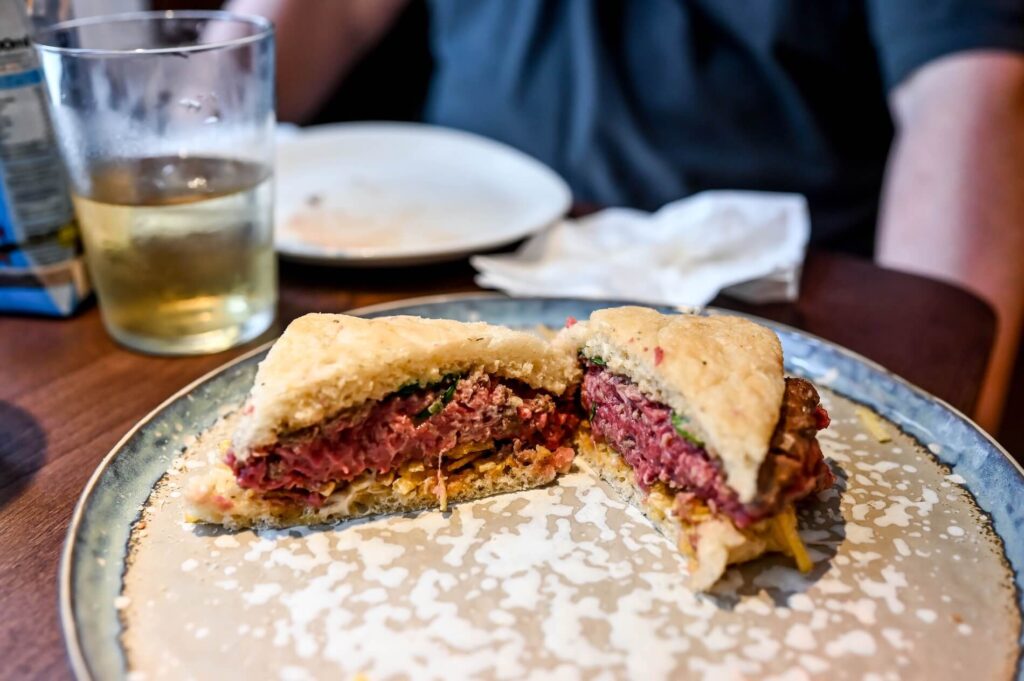
Basque restaurants will also use this aged beef in burgers, like at HDH in Bilbao or Bar Desy in San Sebastian. Just as the steaks are cooked, burgers are served rare or medium rare to showcase the high-quality beef.
We had some incredible meat at HDH in Bilbao and I was shocked at how eating something that rare could taste so good!
Gildas
The mighty little Gilda is one of my favorite pintxos in the Basque Country, created at a bar in San Sebastian called Casa Valles.
Named after Rita Hayworth’s character in the movie Gilda, the Gilda (pronounced more like “heel-da”) is considered one of the earlier pintxos in existence! You can find these in nearly every bar in the Basque Country.
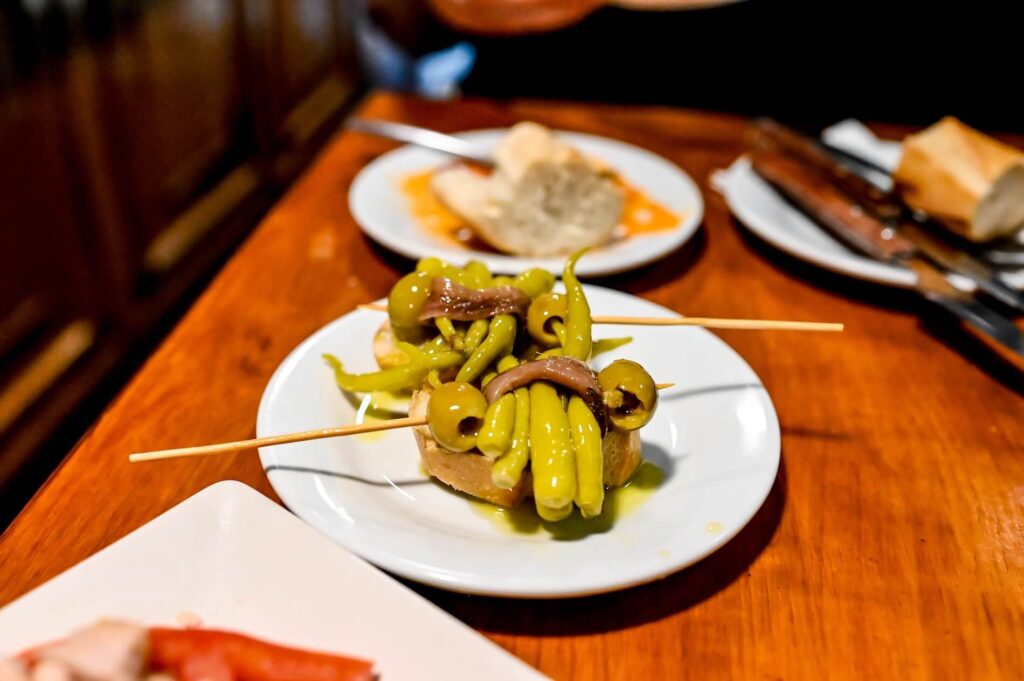
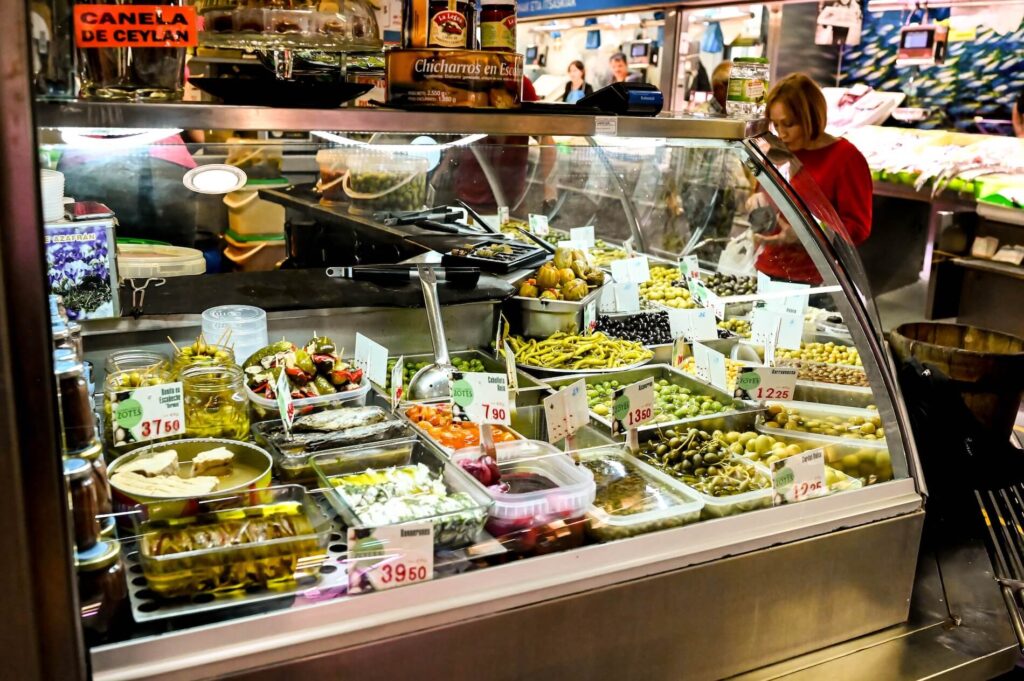
Gildas consist of varying amounts of salty green olives, pickled guindilla peppers (some spicier than others), cured anchovies, and a drizzle of olive oil. It’s a flavor bomb! Some spots also add other bits of seafood (or even cheese) to theirs for a little something different.
Wherever you go, I encourage you to kick off your meal with one of these bad girls.
Here’s a list of my favorite spots for Gildas:
The Best Gildas in Basque Country
Tortilla de Patatas
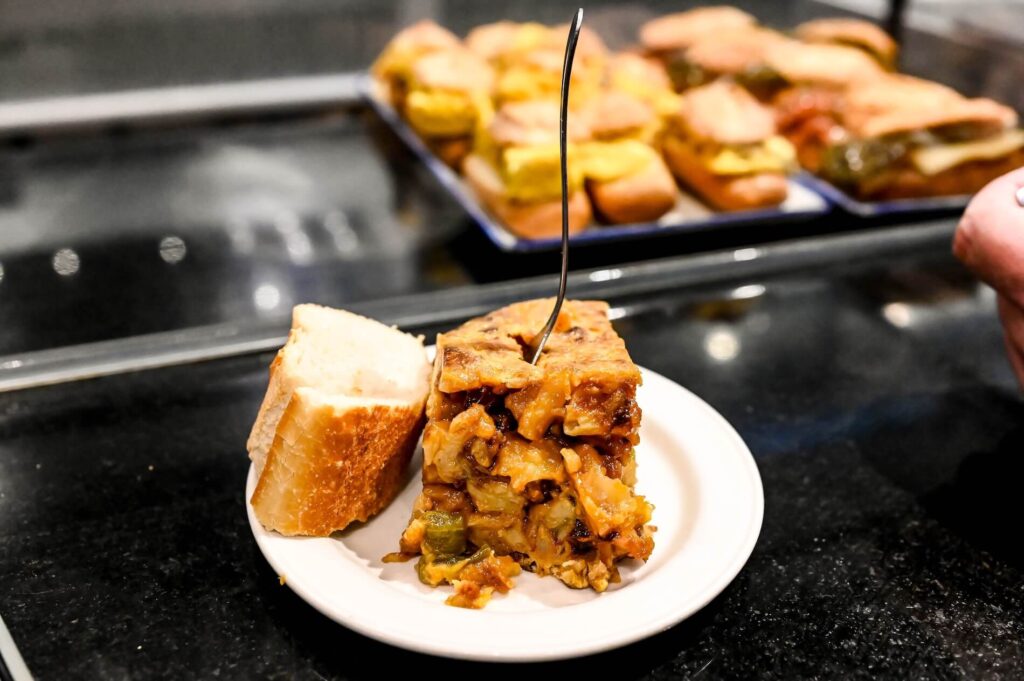
The Spanish omelette (tortilla de patatas or tortilla Espanola) isn’t native to the Basque Country, but seeing as how the Basque Country is one of the gastronomic capitals of the world, you simply must have it here!
This dish consists of minimal ingredients, but will vary depending on the region of Spain you’re in. Eggs, potatoes, and onions (usually caramelized) are mixed and fried in olive oil, creating a thick and hearty omelette.
Some prefer their tortillas without onions, but I’m a firm believer in the more caramelized onions there are, the better! They just add such a depth of flavor that I think is necessary for this dish.
Where to Get the Best Tortilla
Antonio Bar in San Sebastian makes my favorite tortilla de patatas. Their onions are extra caramelized and a piece of this tortilla might make you cry tears of joy. If there was only one tortilla I could eat for the rest of my life, it would be theirs.
Pro tip: Make sure you get here early as they will sell out of tortilla before lunchtime. They do make a couple more for dinner service, so get there right when they open!
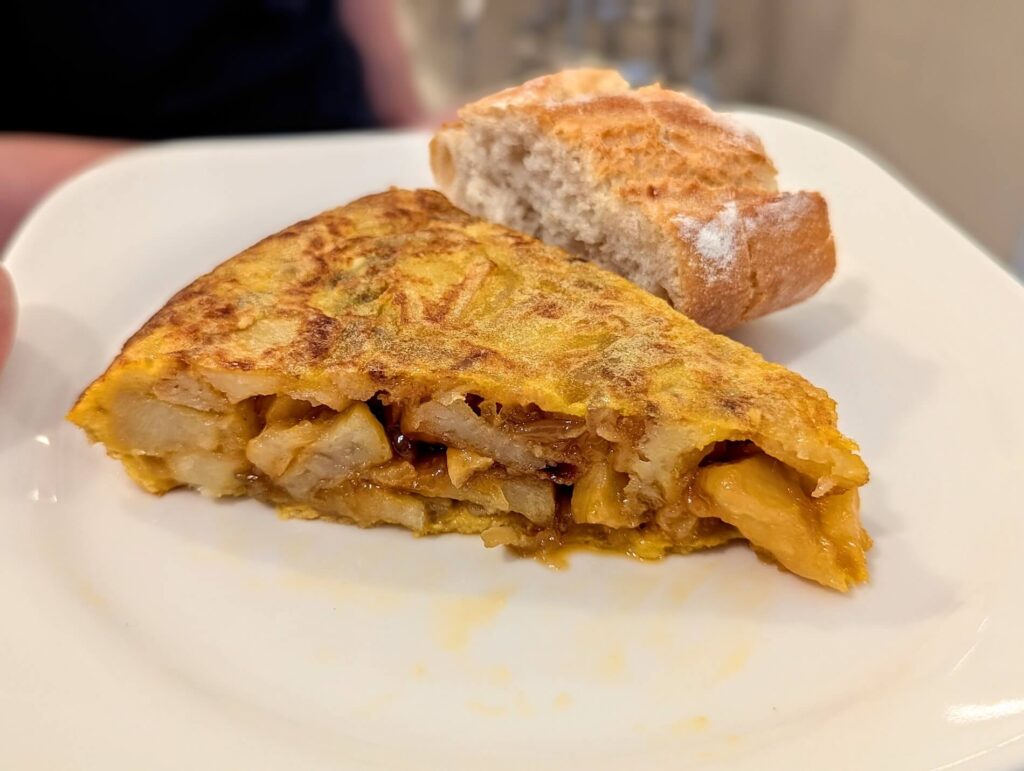
A close second place for me is the tortilla from Cafe Bilba in Bilbao. This is a tiny bar tucked away around the corner from the Artxanda Funicular serving delightful pieces of tortilla – with caramelized onions of course.
Bar Nestor in San Sebastian is also famed for their tortilla, but you’ll have to arrive an hour before opening to get your name on the list for a slice. They only make one tortilla for lunch and one for dinner! I’ll save that for a future mission for myself as I hear it’s worth it.
Txistorra
If you’re a sausage fan like me, you’ll want to give txistorra a try when in Basque Country.
Txistorra (pronounced “chi-storra”) is a semi-cured Basque version of chorizo made with minced pork and paprika, contributing to its deep red color. Unlike most Spanish chorizos, txistorra is not fully cured so it needs to be cooked before being consumed.
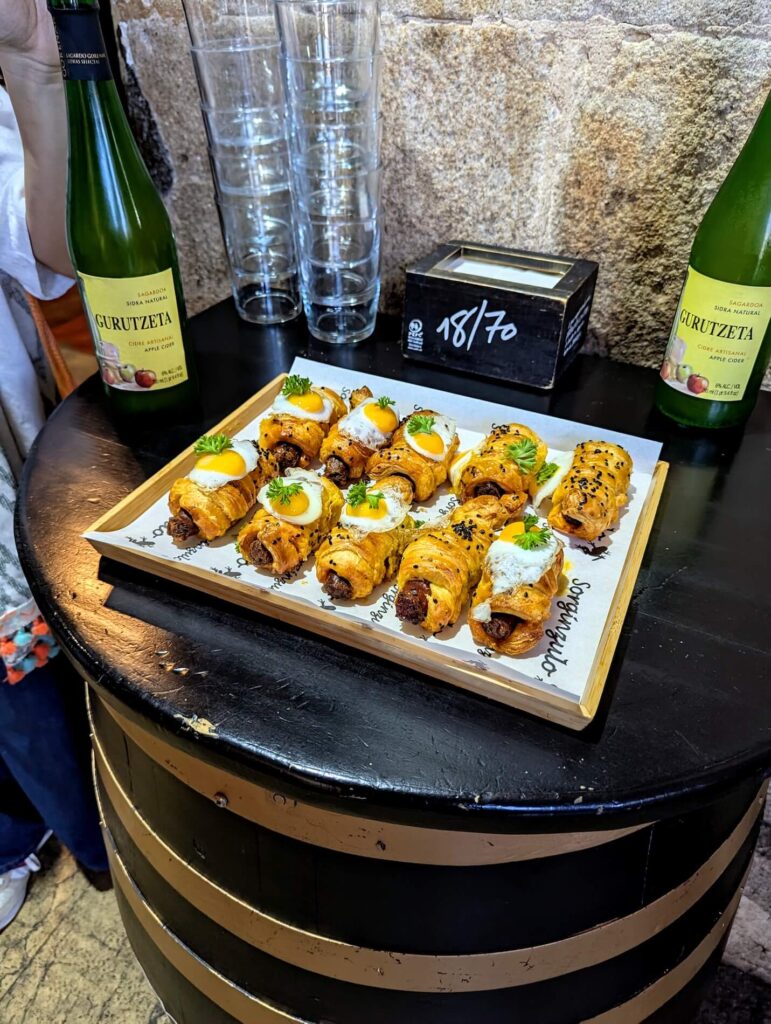
We had the txistorra roll from Sorginzulo in Bilbao while on a food tour and it came wrapped in puff pastry and topped with a quail egg. It was a tasty, savory bite and the sausage was much less firm than the typical fully-cured chorizo.
I also saw a txistorra talo on the menu at Taska Beltz in Bilbao (a talo is like a corn flatbread/tortilla), which is a popular way to enjoy a good txistorra.
Bacalao al pil pil
This one is for the seafood lovers! Bacalao is dried salted cod which is often rehydrated and desalted for preparation in restaurants. You can find bacalao in many other regions and cities in Spain, but pil pil is a dish specific to Basque Country.
To make bacalao al pil pil, the cod is gently and slowly cooked in olive oil and garlic (sometimes with guindilla chiles). The pan is continuously moved in a circular motion, creating an emulsion of its juices and gelatin which is topped on the bacalao as a sauce. It might not sound appetizing, but the creamy sauce is delightful.
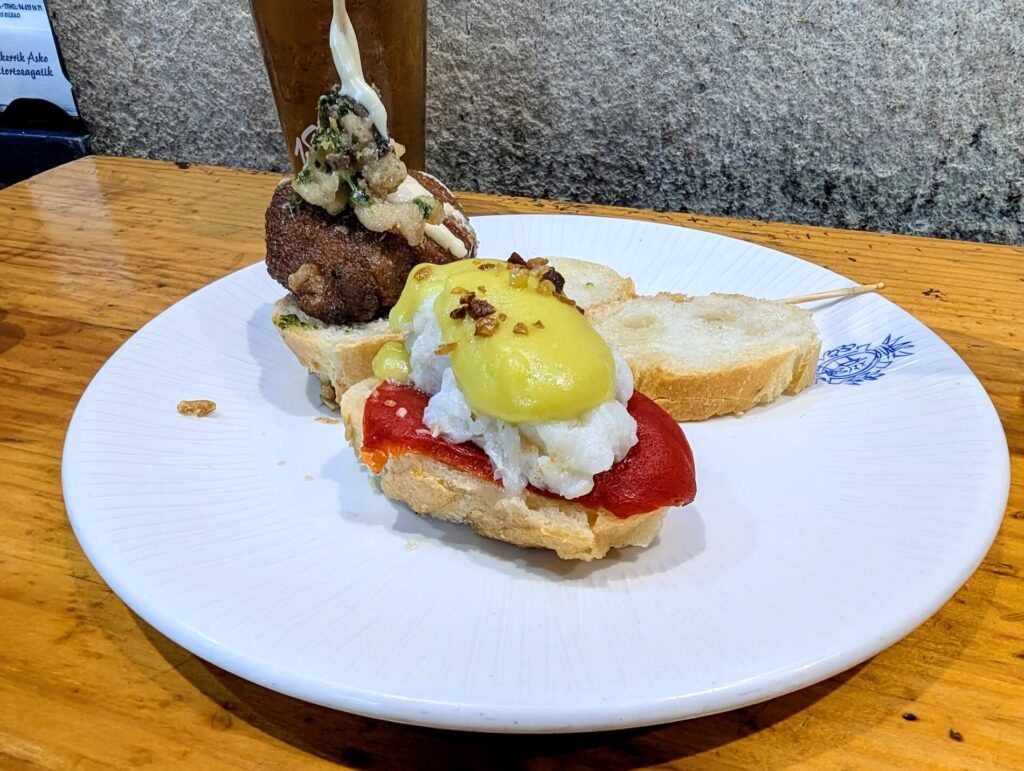
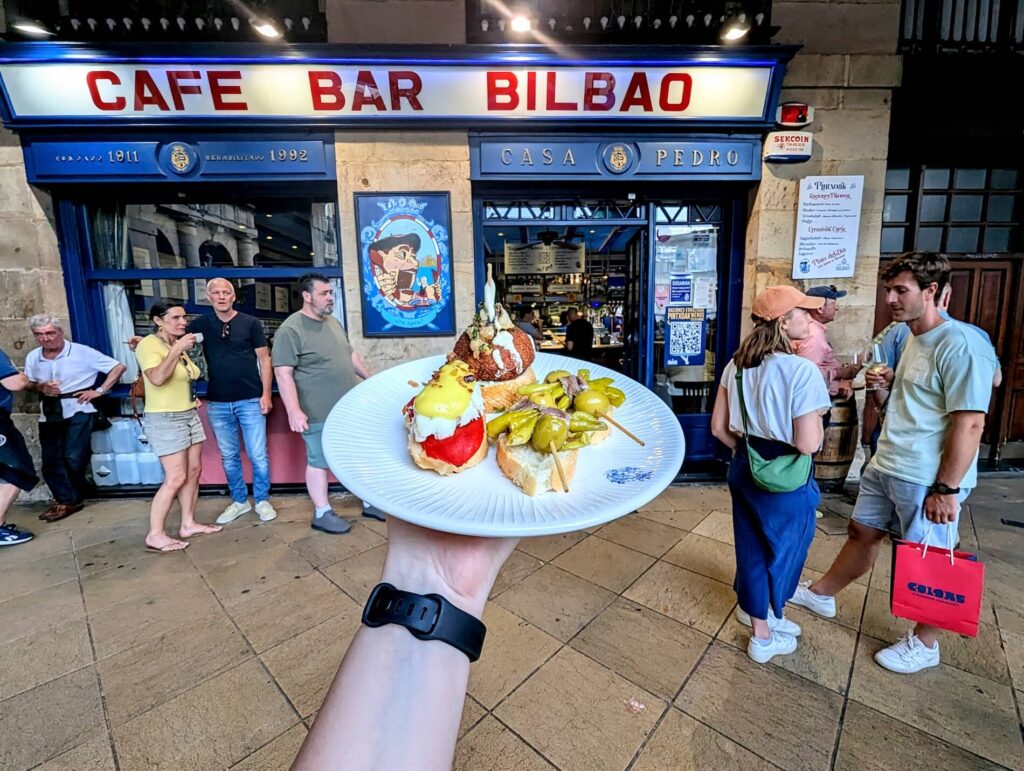
Try the Bacalao al pil pil pintxo from Cafe Bar Bilbao in Bilbao’s Plaza Nueva where we had this dish! This bar is an excellent spot to add to any pintxos crawl.
Txipirones
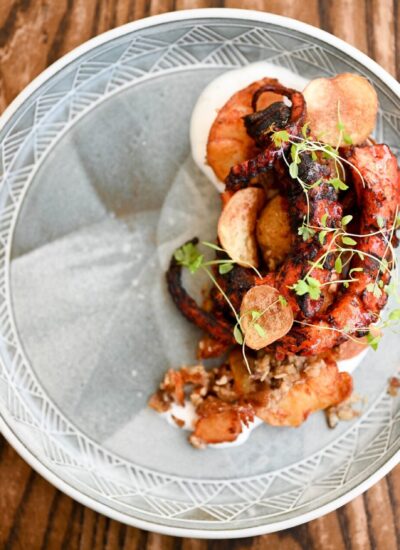
Txipirones (or chipirones) are baby/small squid and you can find them in all kinds of dishes across the Basque region. It’s such a versatile ingredient – high in protein and light in calories! You’ll see them prepared whole sautéed in squid ink (chipirones en su tinta) or stuffed, deep fried, cut into rings, and even in croquette form.
My favorite txipirones dish I’ve had so far in Basque Country is the txipirones encebollados from Taska Beltz in Bilbao. This was squid with onions prepared four different ways and it was packed with flavor!
We also enjoyed the squid pintxo from El Globo in Bilbao – fried and served on a little piece of bread.
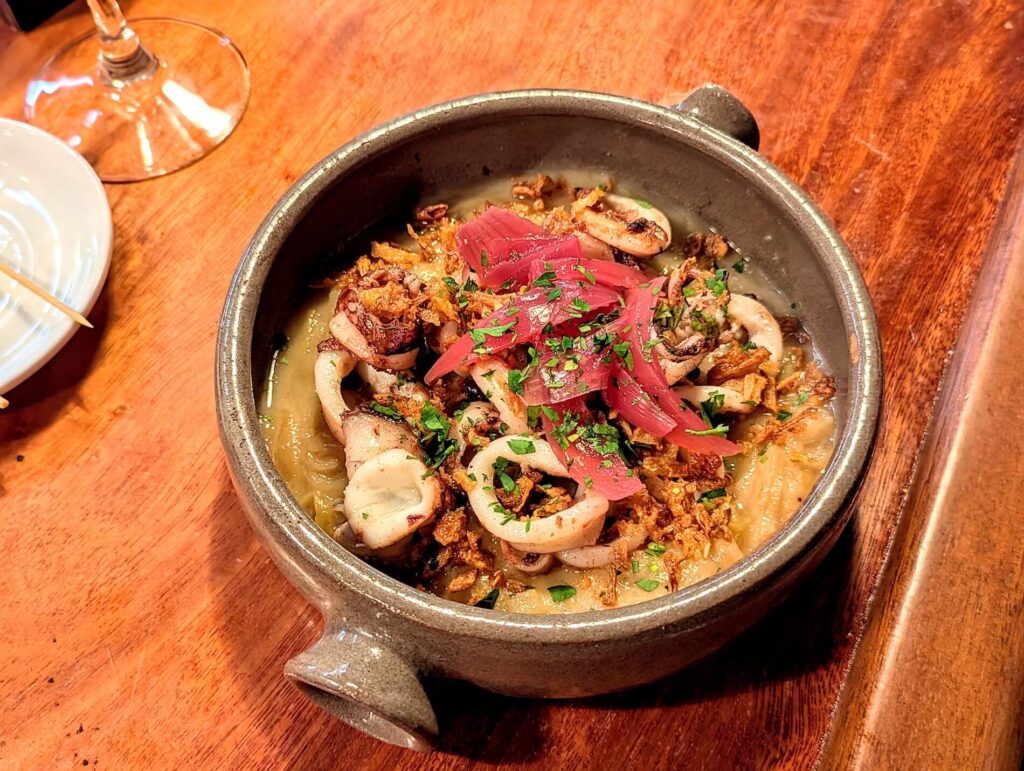
Another traditional Basque squid dish to try is chipirones en su tinta, where the squid are stuffed or sliced and cooked in black squid ink (or sometimes in the ink from cuttlefish). I have yet to try this one, but I’m eyeing a return visit to El Globo in Bilbao to try their chipirones en su tinta gratinado or Rekondo in San Sebastian to have their version.
Idiazabal Cheese
Cheese lovers will want to keep an eye out for Idiazabal – a cheese made from unpasteurized milk of latxa or carranzana sheep from the Basque or Navarra regions. It’s a firm cheese with a nutty flavor profile that is often lightly smoked.
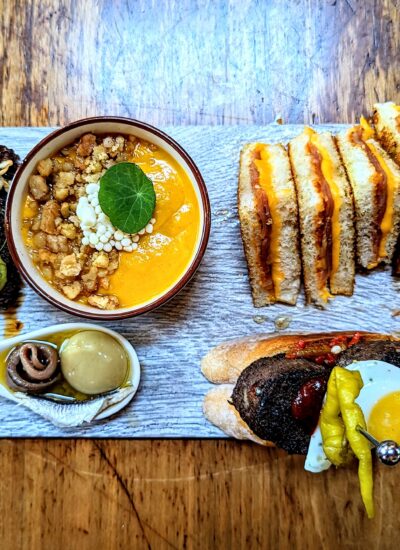
Chefs in the Basque Country are using this local cheese in creative ways, like the Idiazabal cheese soup from Gure Toki in Bilbao. This unique (and award-winning) soup definitely showcases the nutty flavors of the cheese. It’s also filled with other goodies like mushrooms and even a quail egg! I’d say it’s one of the most interesting dishes we had in the region.
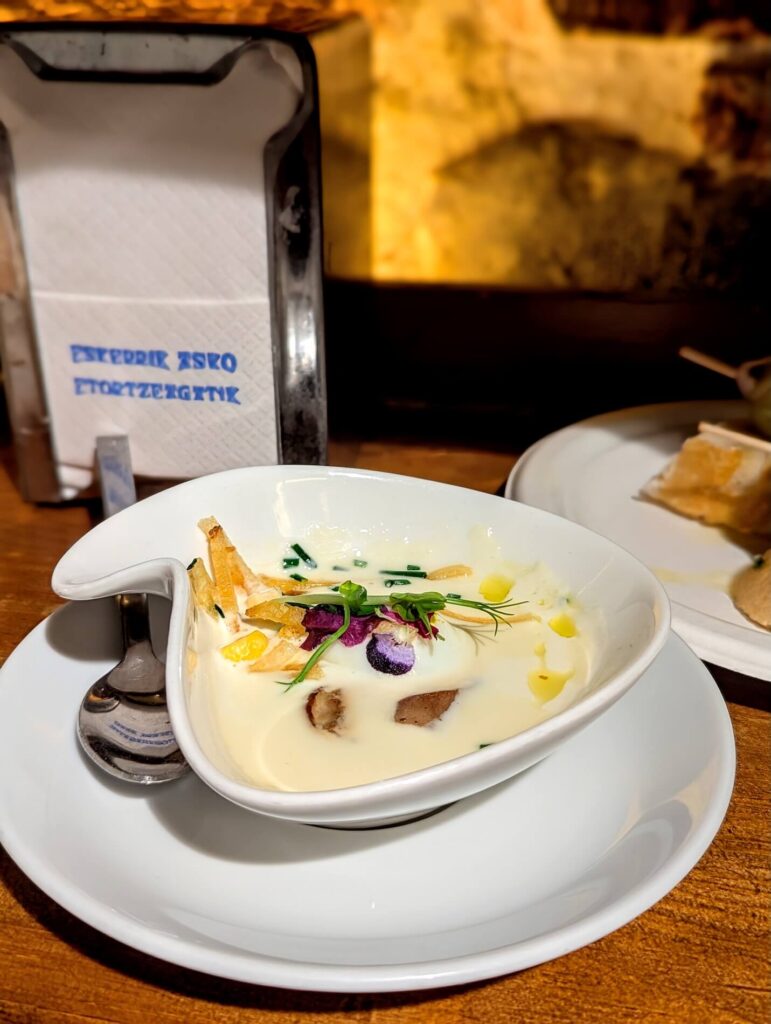
One dish on my cheesy wish list is the Idiazabal risotto (made with orzo instead of rice) from Borda Berri in San Sebastian. I’m also itching for a Basque cider house visit where they pair this cheese with quince paste.
If you’re nature and cheese obsessed, you can get outdoors and do a six-day walking route called the Idiazabal Cheese Trail, which guides visitors to nature parks, farms, and markets.
Txangurro
Txangurro (pronounced “chang-goo-ro”) is a spider crab sourced from the Bay of Biscay in Basque Country, often used in creamy gratin dishes.
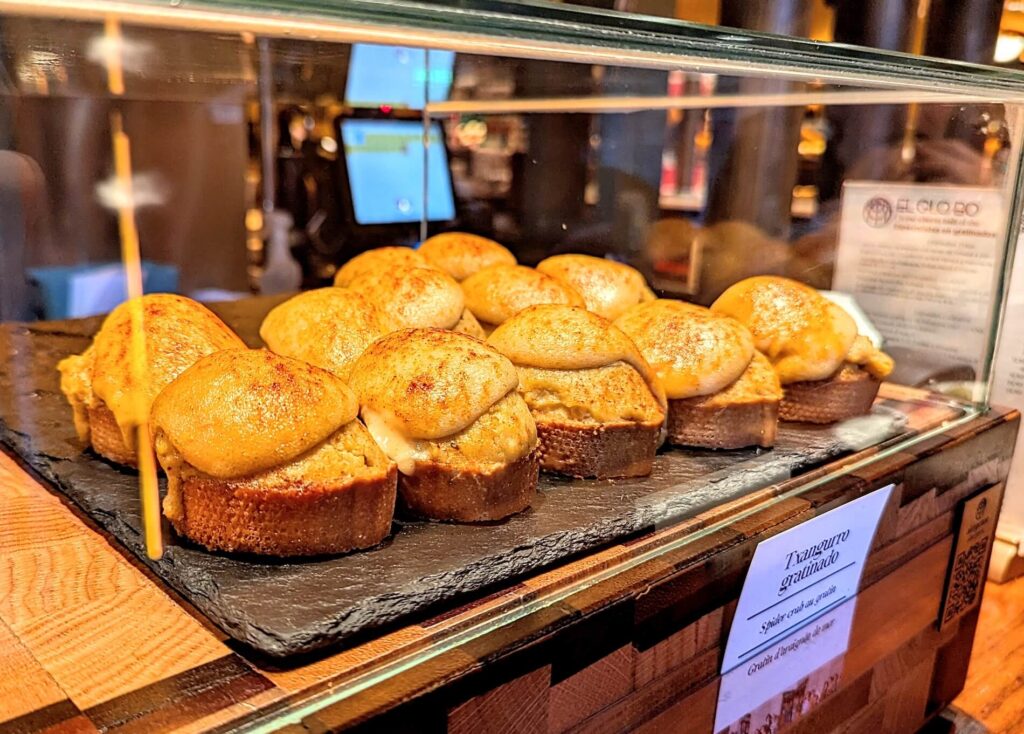
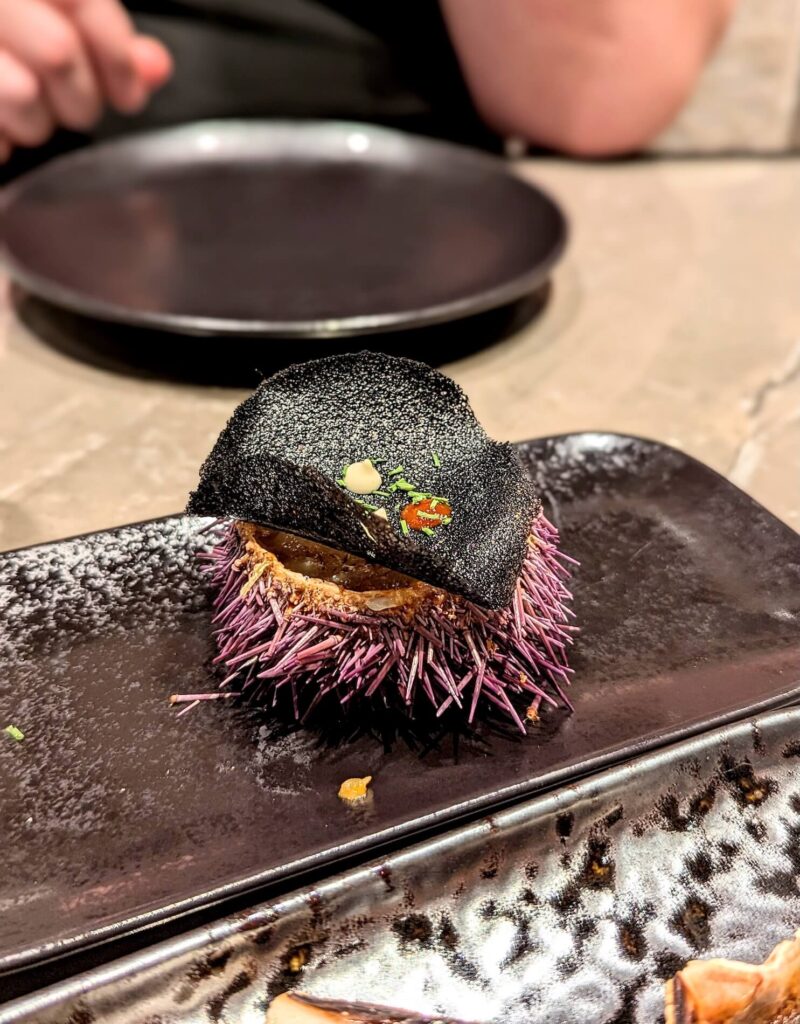
My favorite dishes with txangurro include the gratinado from El Globo in Bilbao and the creamy txangurro and urchin from Aldapeta Gastro Bar in the Catalonia Donosti hotel (where we stayed at in San Sebastian).
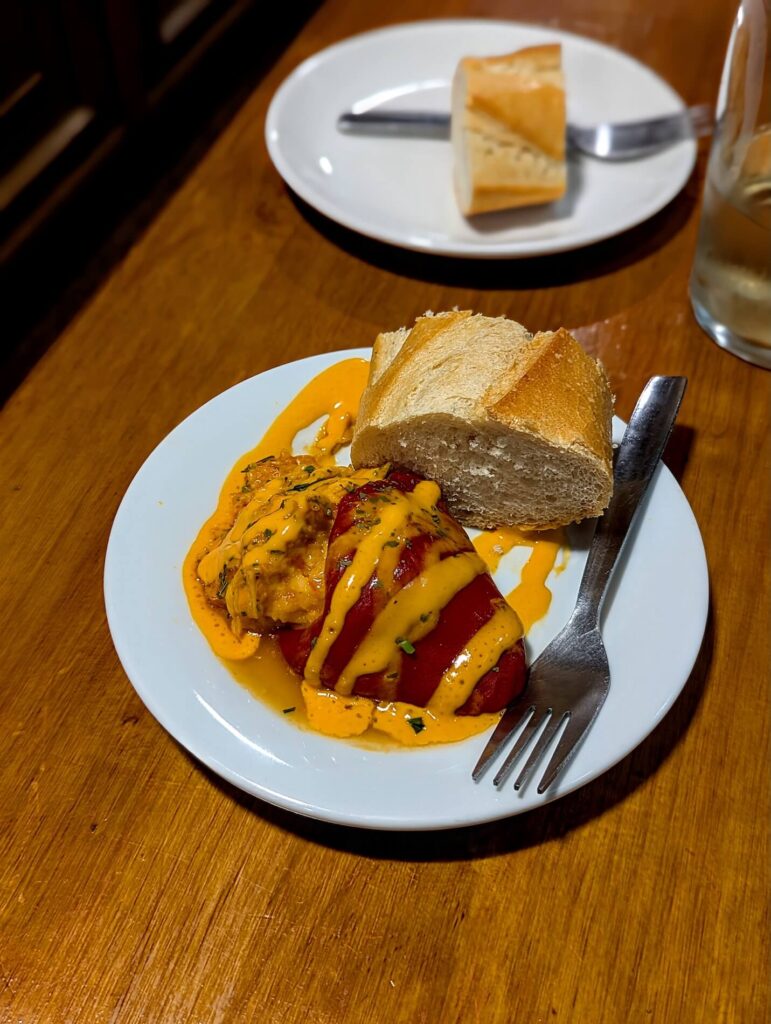
I also highly recommend the txangurro stuffed pepper at Bar Desy in San Sebastian – a must-visit bar in the Gros neighborhood.
Scallops
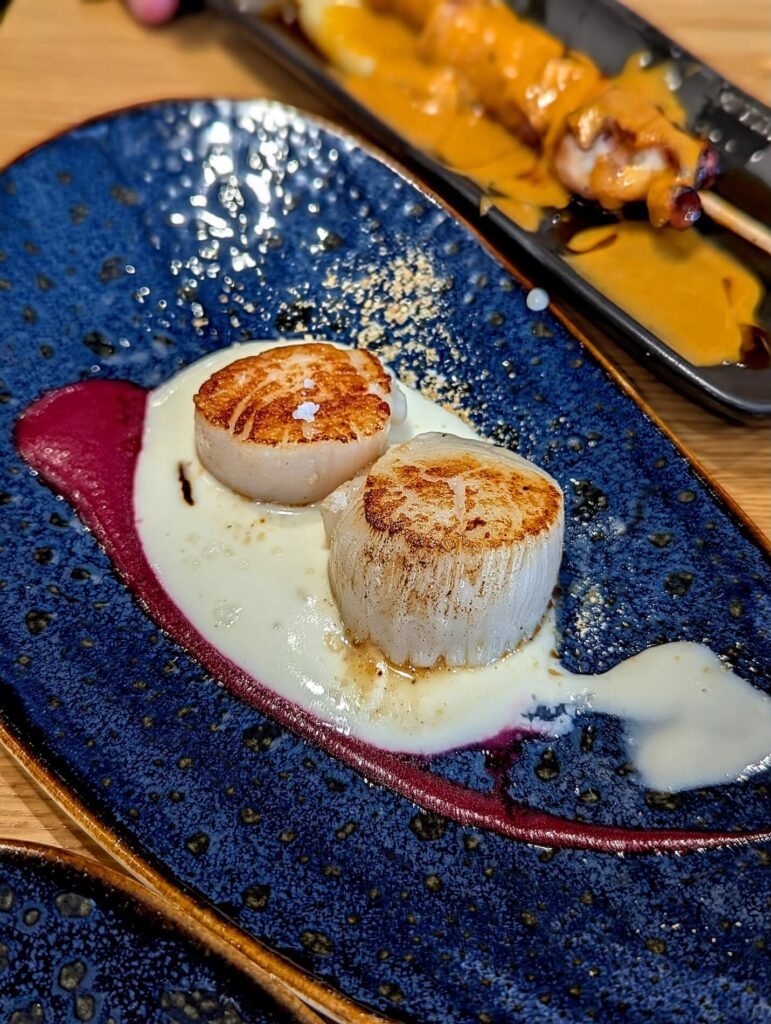
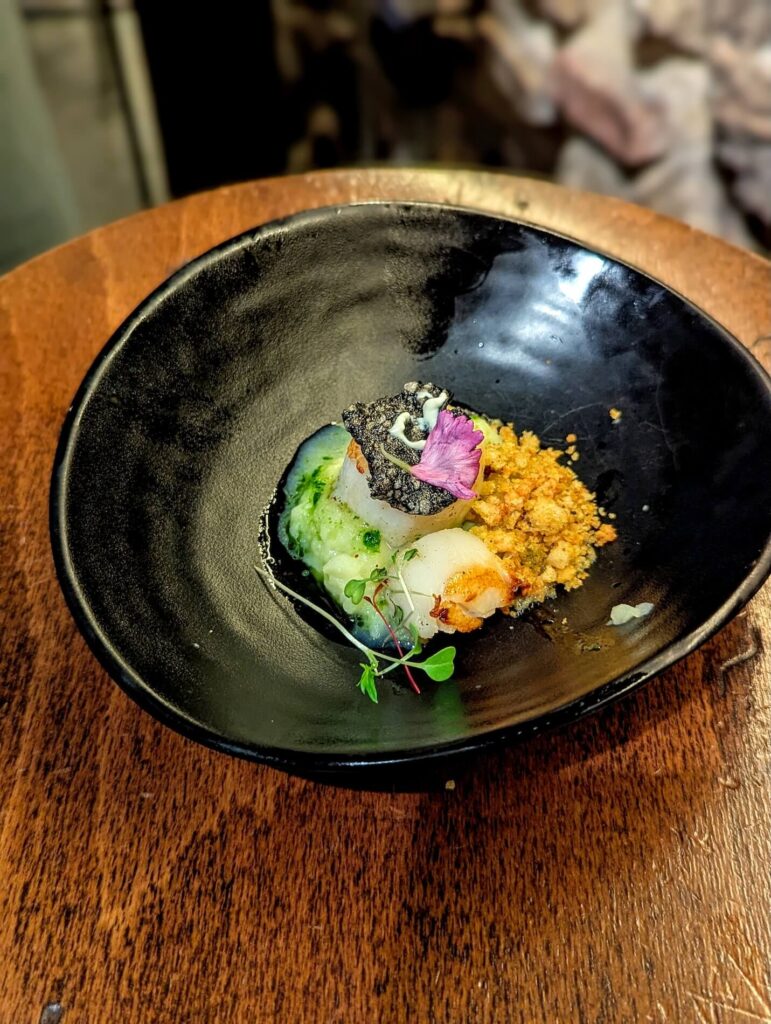
Scallops are everywhere in the Basque region and before I visited Spain, I wasn’t a huge fan. I am converted! We had the most amazing scallop dishes in Basque Country and tried them wherever we saw them on the menu.
One thing to note is the different types of scallops you’ll see when in Spain. I had to do quite a bit of research on the labeling of these, particularly because we encountered a bit of confusion at times when ordering.
VieiraS
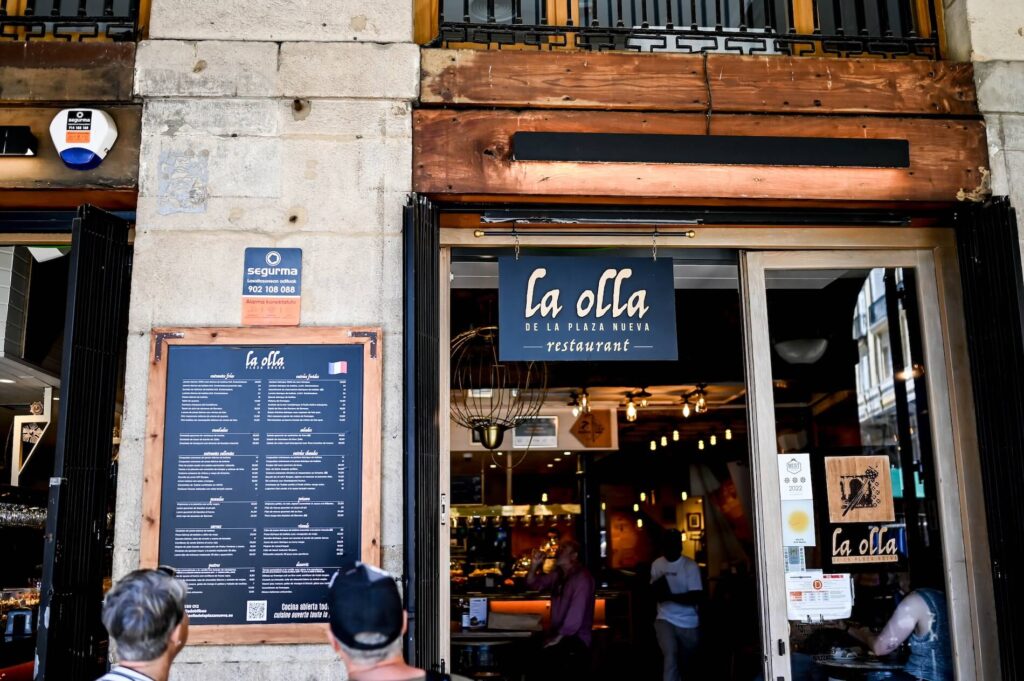
These are the largest of the scallops, typically served without a shell, lightly seared, and with various sauces, foams, and whips. My favorite vieira dishes were from La Olla in Bilbao (served with a creamy mushroom whip), Bar Antonio in San Sebastian (served with a truffle cream), and Gure Toki in Bilbao.
ZamburinaS
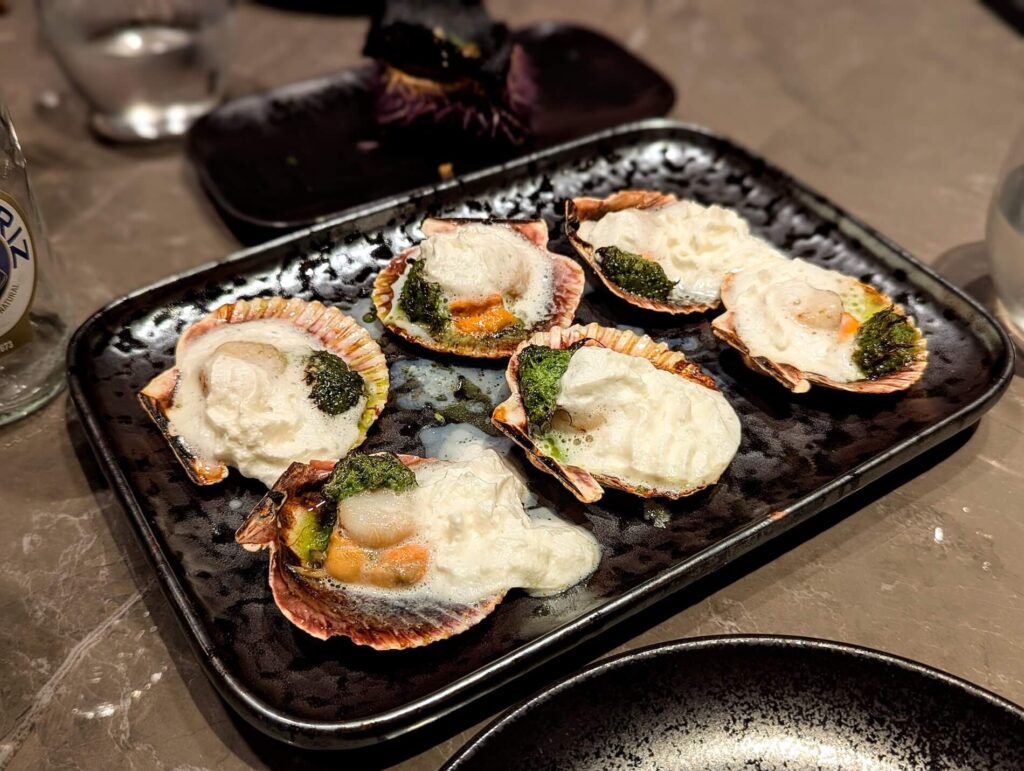
These are smaller scallops served in the shell for a very aesthetically-pleasing plate, topped with light sauces and/or foams. I actually think in most cases what was served when ordering “zamburinas” were queenies aka volandeiras. Zamburinas are darker in color when it comes to the shell while queenies are lighter with bright orange gonads.
VolandeiraS
I haven’t seen this term used on a menu yet in Basque Country, but I think these are commonly mislabeled as Zamburinas. They are similarly small scallops but easily identifiable by the bright orange gonads (which happen to be edible).
However they are labeled, if you’re a scallop fan, learn these three terms and one will usually stick to get you what you need. If there are any scallop experts out there, I’d love to hear your take on this!
Talo
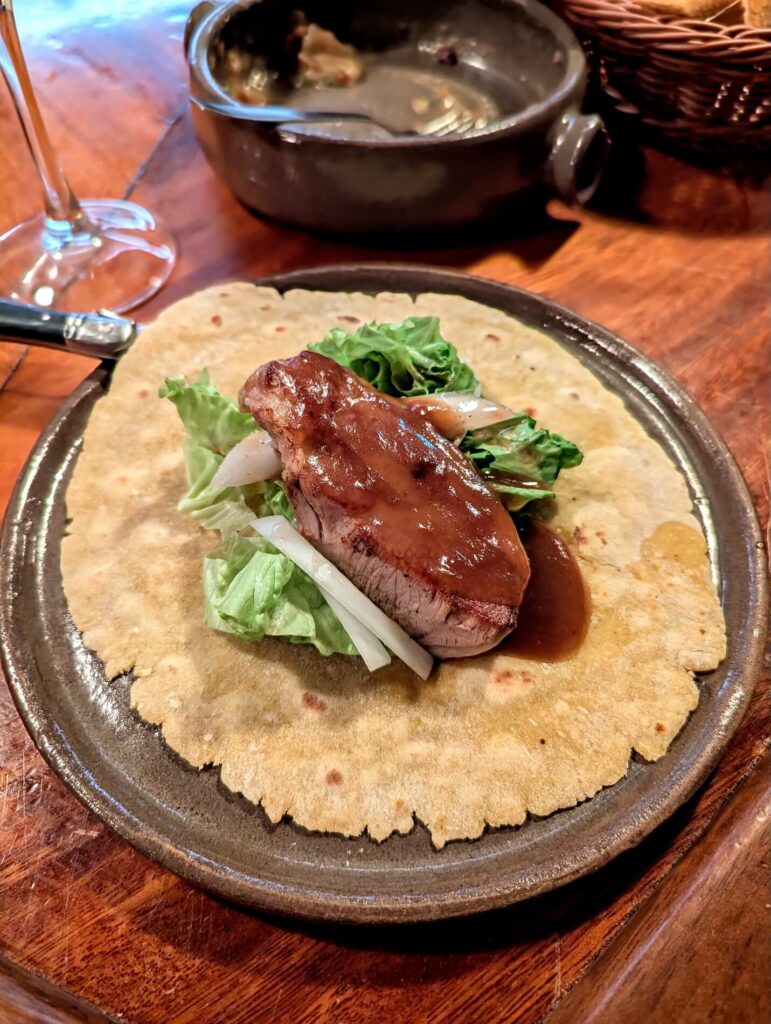
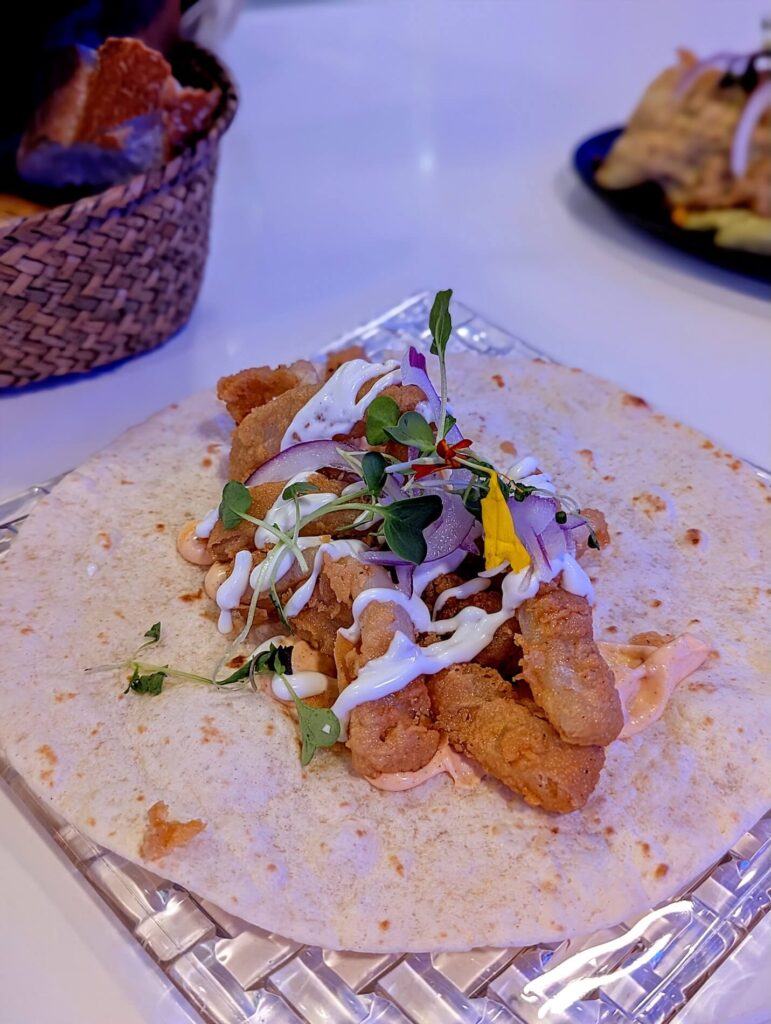
A talo is a corn-based Basque flatbread that is similar to a Mexican-style corn tortilla. It serves as a great vessel for things like txistorra sausage and other meats or seafood. Basque tacos, anyone? (me!!!)
We had a goat talo from Taska Beltz in Bilbao and while the goat meat wasn’t my favorite, the talo itself was rustic perfection. We also had a calamari talo from Mendaur in San Sebastian, which I liked just a little bit more. Their crispy calamari was delicious!
Mussels (Mejillones)
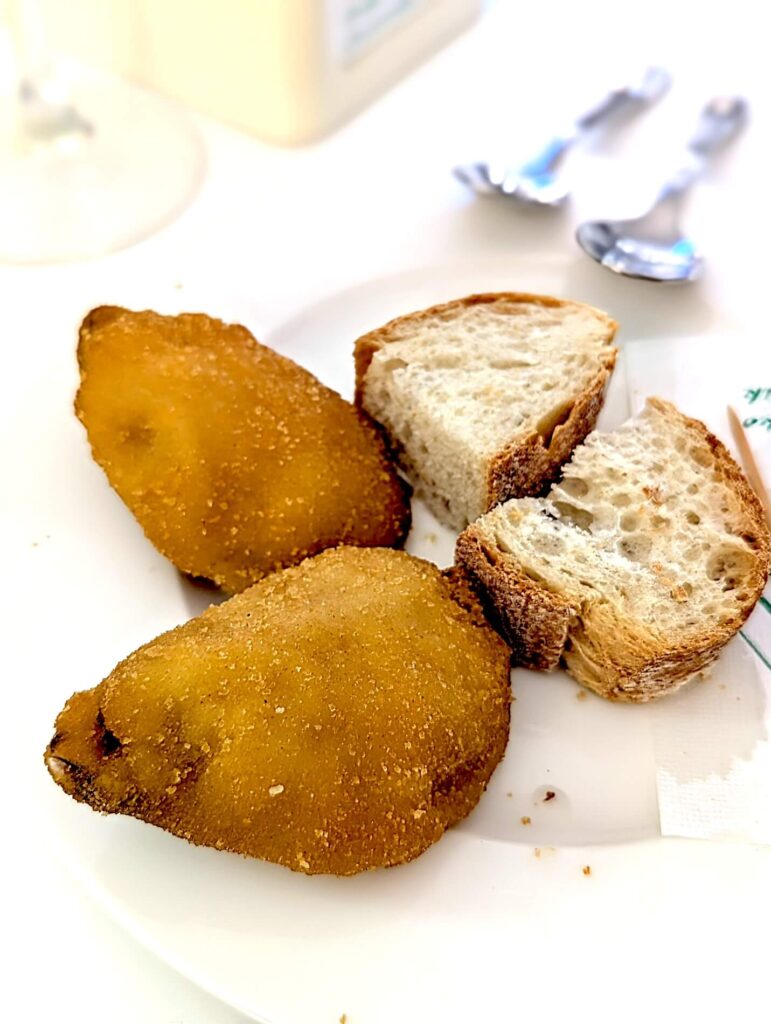
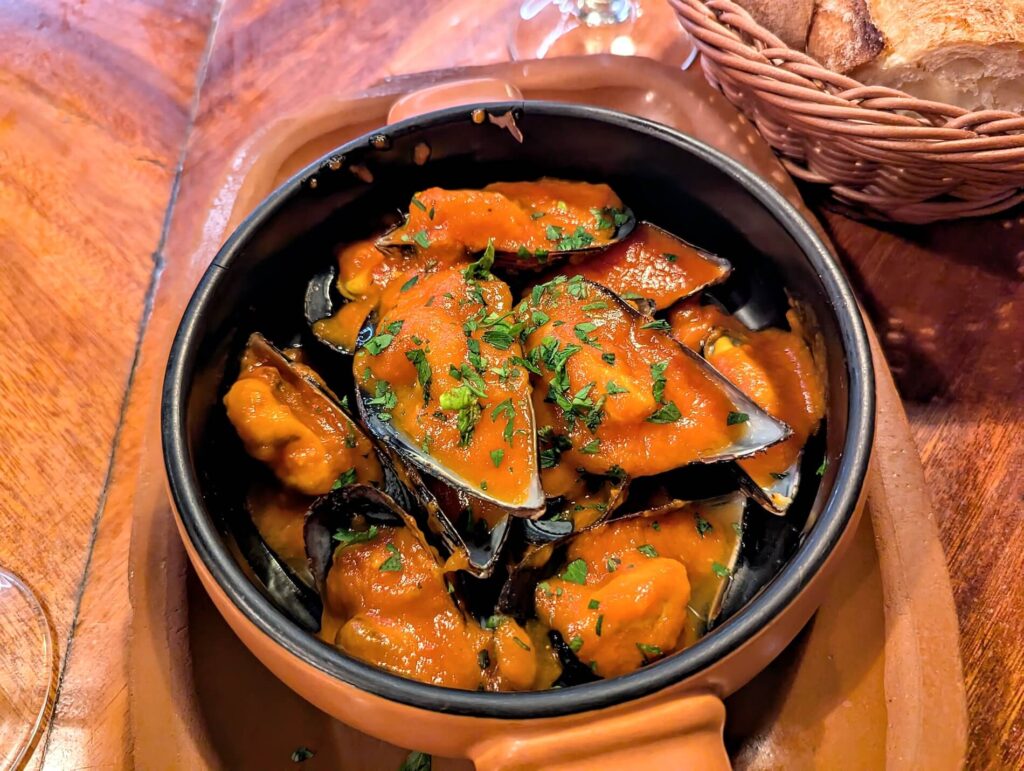
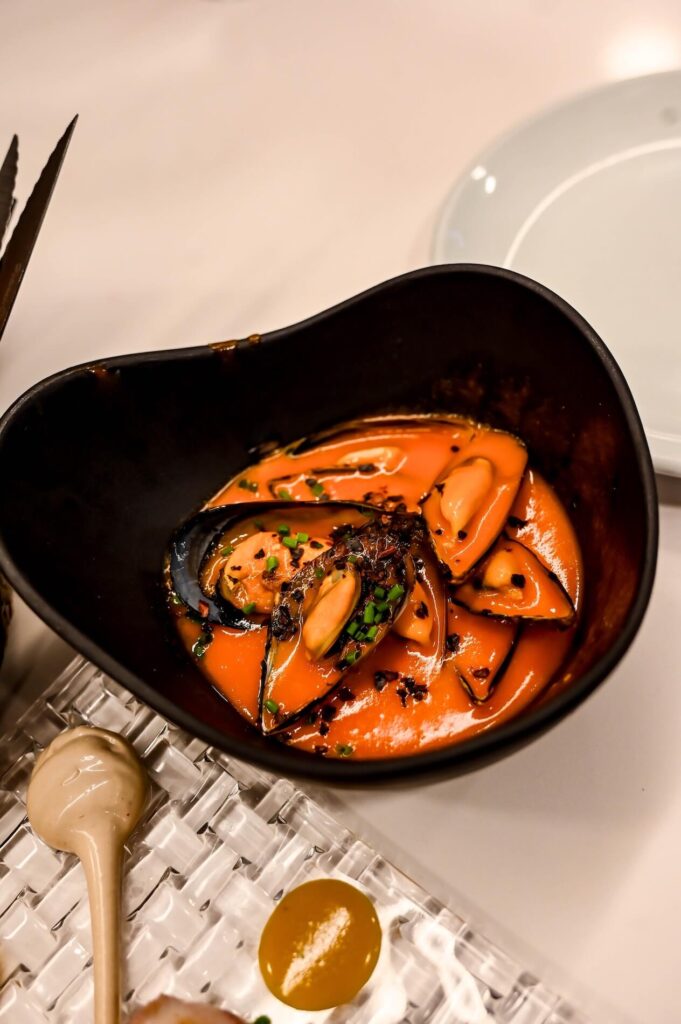
Another seafood to seek out in Basque Country are mussels – sourced right from the Bay of Biscay. Two dishes I recommend in particular are quite popular on menus throughout Bilbao and San Sebastian: mejillones tigres (stuffed, fried mussels) and steamed mussels with tomato or pepper sauce.
Mejillones tigres
This is a stuffed mussels dish that originated in Bilbao but is also popular in Galicia. Cooked mussels are chopped up and mixed with onions, tomato, and paprika with a thick bechamel. This is all stuffed into half a mussel shell, breaded and fried. You’ll want to be careful eating these using a spoon or fork rather than biting into it!
We tried mejillones tigres at Con b de Bilbao and I thoroughly enjoyed the combination of savory flavors, the creaminess from the bechamel, and the spicy kick from the paprika.
Steamed Mussels
Another delicious preparation of mussels to try is steamed with tomato or pepper-based sauces. These are often spicy and packed with flavor! You get nice acidity from the peppers and tomatoes, which complements the light meat of the mussels. Make sure you save some bread for sopping up the rest of the sauce at the end.
Our favorite spots for steamed mussels are Mendaur in San Sebastian and Taska Beltz in Bilbao. La Mejillonera in San Sebastian also specializes in different types of mussels dishes! We haven’t been there yet, but it looks like a good variety.
Croquettas
Another dish you can find all across Spain are croquettes (croquettas) but when in Basque Country, you can expect to have some more elevated and unique ones! Croquettas are little fried bites filled with bechamel (not potato) and other fillings of cheese and meats/seafood. They are delish when done right!
We had some excellent jamon croquettas at Lucky Baster in Bilbao that came with truffle aioli. They were extra crispy on the outside and the aioli kicked it up a notch. We also got to try some with a more unique twist, like Colombian soup croquettas from Bells Bar in San Sebastian; bacalao and txuleta croquettas from La Ribera Market; and a txipirones croquette from Cafe Bar Bilbao.
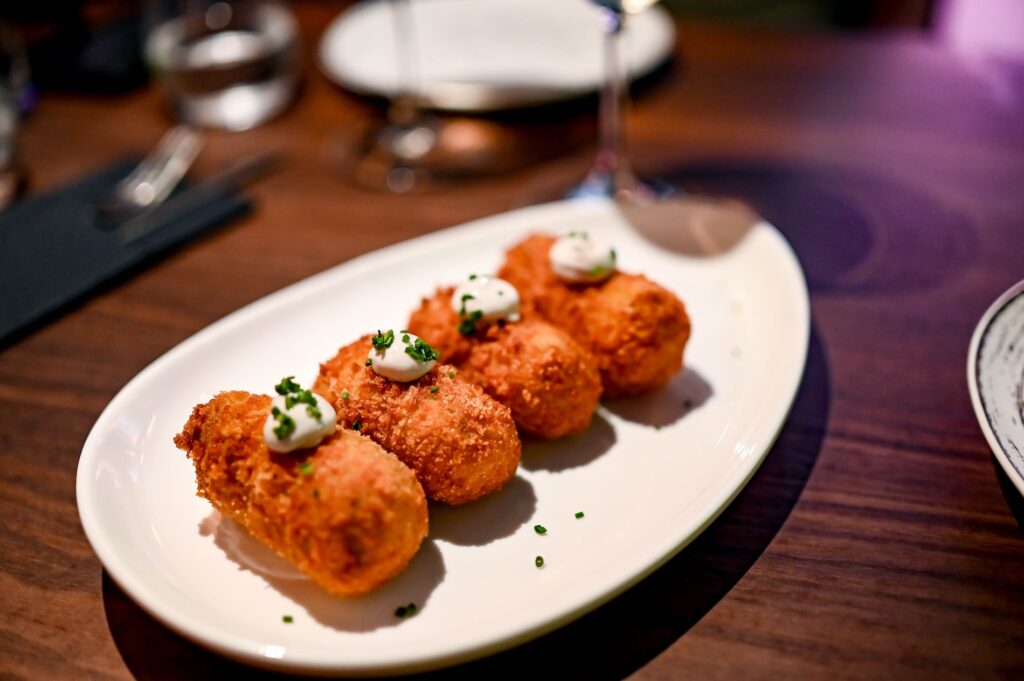
A croquettas tip: order them from hot foods menus rather than picking them out from a pintxos bar. These are best when served fresh.
Dishes on my Wish List
These are some other Basque dishes that I have yet to try (so many things to eat with so little time!). If you’ve been to Basque Country and have had these, please let me know where so I can go and try them myself.
- Marmitako: A rustic seafood stew made with tuna, potatoes, tomatoes, peppers and onions.
- Kokotxas: The tender meat from hake or cod throat that can be prepared pil pil style or with other sauces.
- Tortilla de bacalao: A Spanish omelette made with salt cod. I saw this on the counter at Casa Valles, but it’s also a very common dish served in cider houses.
Must-Try Desserts
In addition to savory foods, the Basque Country has a bunch of great desserts you should try too. I wrote a whole separate post on what I think are some must-try desserts in Basque Country. Check that out for more details!
Basque Cheesecake
One of the most, if not the most, popular desserts in Basque Country is the Basque cheesecake. It’s a unique style of cheesecake that is baked without a crust, focusing solely on the sweet, creamy cheese!
This world famous cheesecake was created at La Viña in San Sebastian and it really is the best we had in Basque Country. Pro tip: you’ll want to order a glass of sherry to pair with your slices here. Pour it over your cheesecake or sip it in between your bites. It takes eating this cheesecake to a whole new level.
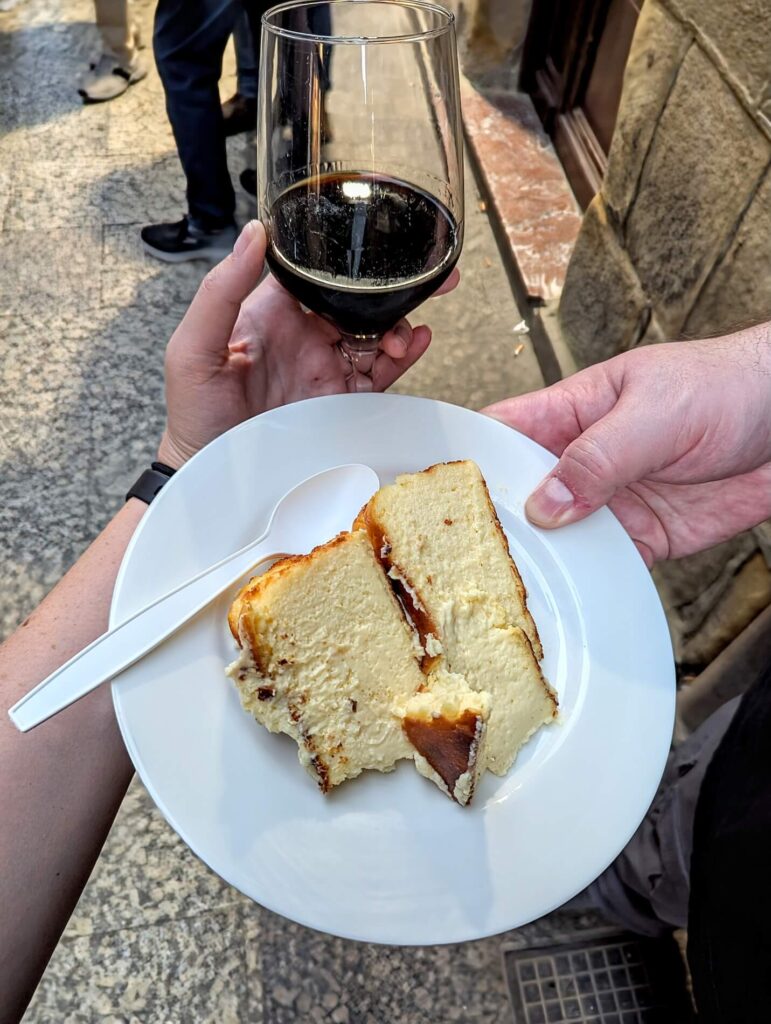
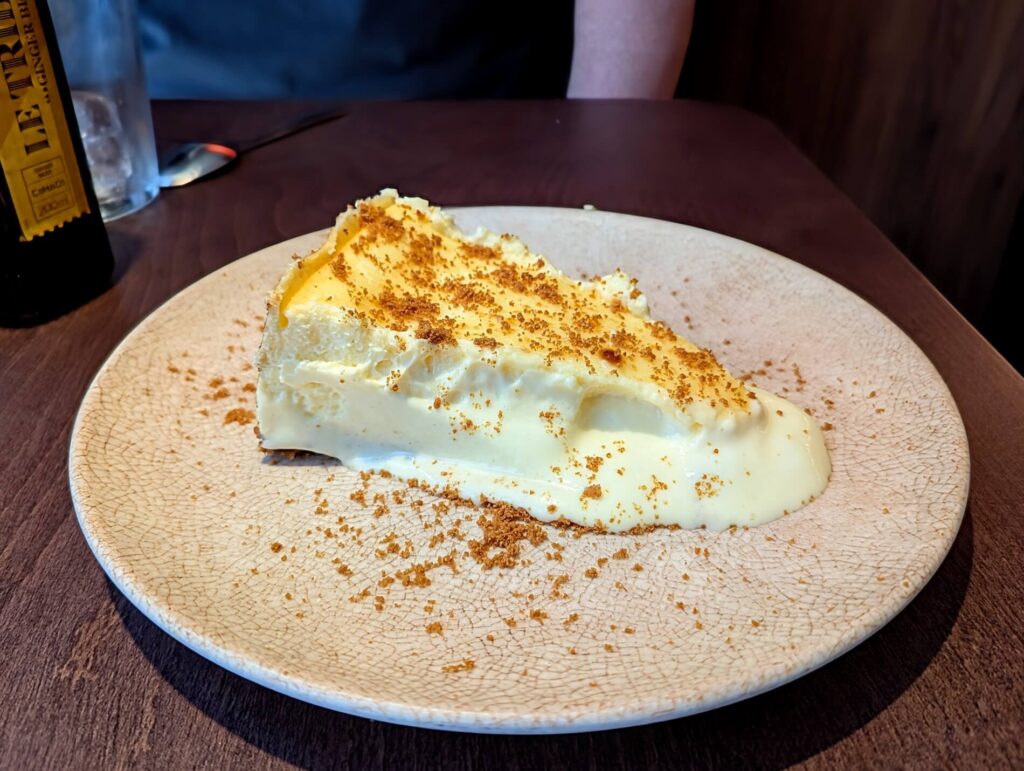
Other spots to try this Basque specialty are Lurrina in Bilbao, which we had on our excellent food tour, and HDH Bilbao with pieces so creamy, they ooze out onto the plate.
Torrija
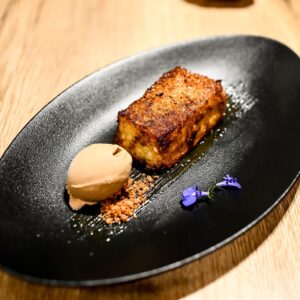
Step aside cheesecake because my favorite dessert to have in Basque Country is the torrija! Torrija isn’t a dish specific to Basque Country but you definitely want to try it in this region of Spain.
The torrija is Spain’s version of pain perdu (aka French toast) and is a dish typically eaten at Easter. In the Basque region, you can find it in many restaurants outside of the holiday. Rather than a breakfast food (like in America), torrija is treated as a dessert!
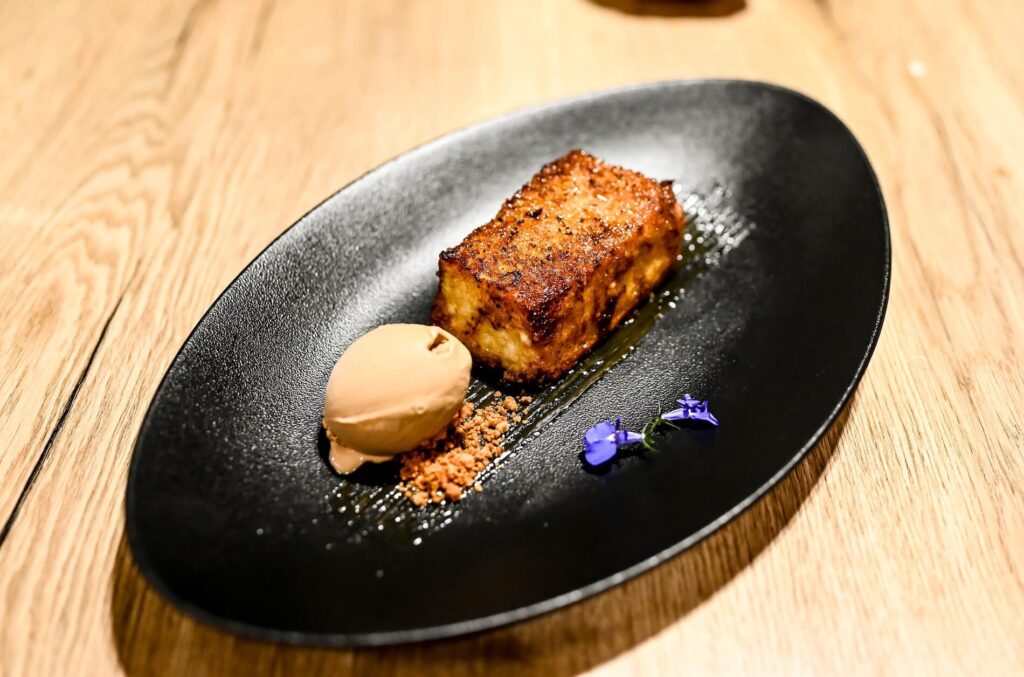
We had three different torrijas in Basque Country. They were all really good, but each one had its own unique style.
- Casa Urola in San Sebastian has the most amazing torrija, caramelized on the outside – almost like a brulee. It’s heavenly. If you only have time for one, let it be Casa Urola’s.
- Mendaur in San Sebastian has a light and fluffy torrija, coated with the perfect amount of cinnamon and sugar and served with a sweet-flavored milk to sit and soak in.
- Cafe Bar Bilba in Bilbao serves a thinner and firmer torrija still with a creamy center.
I could eat torrijas daily!
Basque Butter Bun
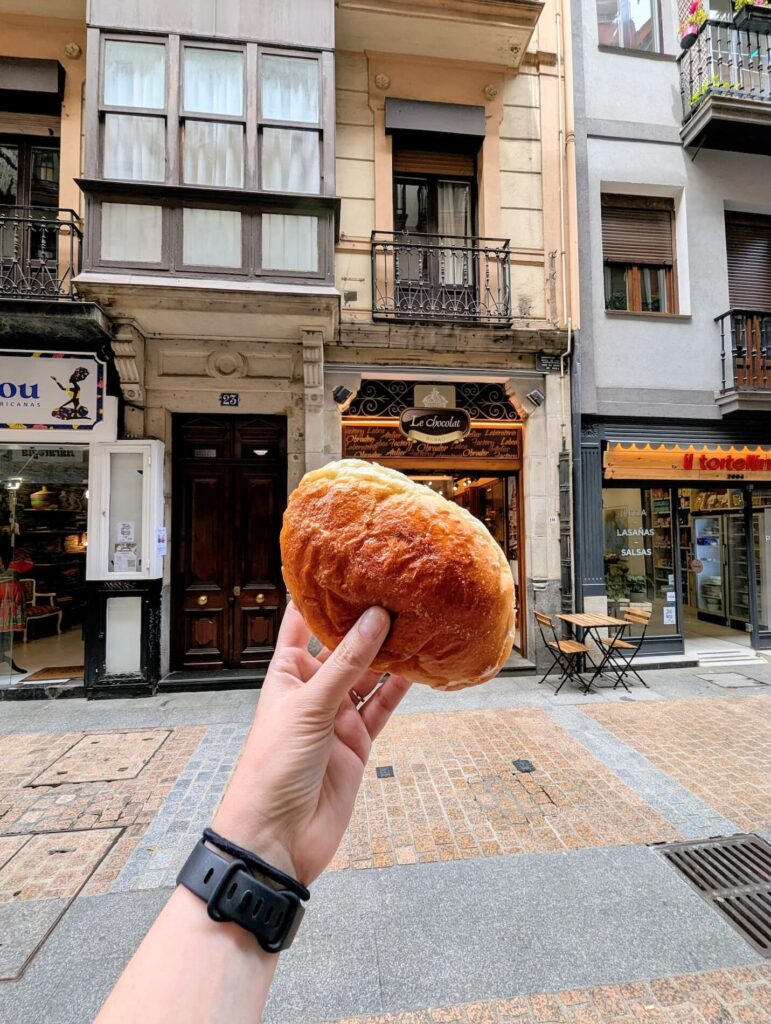
A classic pastry from Bilbao is the Basque butter bun, or bollo de mantequilla. It’s a soft, slightly sweet roll filled with buttercream that is perfect as a snack or a light breakfast.
We picked one up at Le Chocolat Obrador & Café, which is just a short walk from La Ribera Market. Grab one of these buns for a quick bite before exploring the market!
Carolinas
Also unique to Bilbao are Carolinas – small custard tarts topped with a tower of meringue with a dark chocolate and sweet egg yolk glaze. Aesthetically, it’s a beauty and is a symbol of Bilbao!

We had a Carolina from the bakery at La Ribera Market. I’m a big fan of anything custard, so I especially loved the custard tart base! The meringue on top is light and fluffy and the small bit of chocolate shell added a little extra texture. It can be a bit tricky to eat, so I suggest using a plate and fork.
You can find Carolinas at bakeries all over Bilbao, but two spots on my list to try more at are Larralde and Pastelería Confiarte.
Pantxineta
The pantxineta (pronounced “pan-chee-neta”) is a Basque dessert made up of layers of puff pastry and custard cream topped with almonds and powered sugar. I had the pantxineta from La Ribera Market in Bilbao and I loved the flaky puff pastry and custard and crunchy, nutty crust. I ate it cold for breakfast but it can be served warm as well.
The pantxineta originated at Otaegui in San Sebastian, which is on my list of places to try for future visits!

Must-Try Drinks in Basque Country
A good drink is just as important as a good plate of food! Basque Country is an excellent region for wine drinkers, with three separate DOs producing txakoli. It also includes Rioja Alavasa – a subregion of Rioja where you’ll find more red grape varietals like tempranillo and garnacha.
In addition to wine, cider is prominent in the region, along with a specialty vermouth-based cocktail that I’ll highlight below.
Txakoli
When it comes to pintxos bar hopping, txakoli (pronounced “cha-ko-li”) is my go-to drink and is overall my favorite thing to drink when in Basque Country! This special wine is dry and high in acidity, but also fruity, light, refreshing and sometimes a little sparkling.
Most importantly, txakoli pairs well with most pintxos – especially those that are seafood based or my favorite pintxo, the Gilda. It’s also lighter in alcohol so you can have a few glasses on a pintxos crawl and still be able to walk in a straight line.
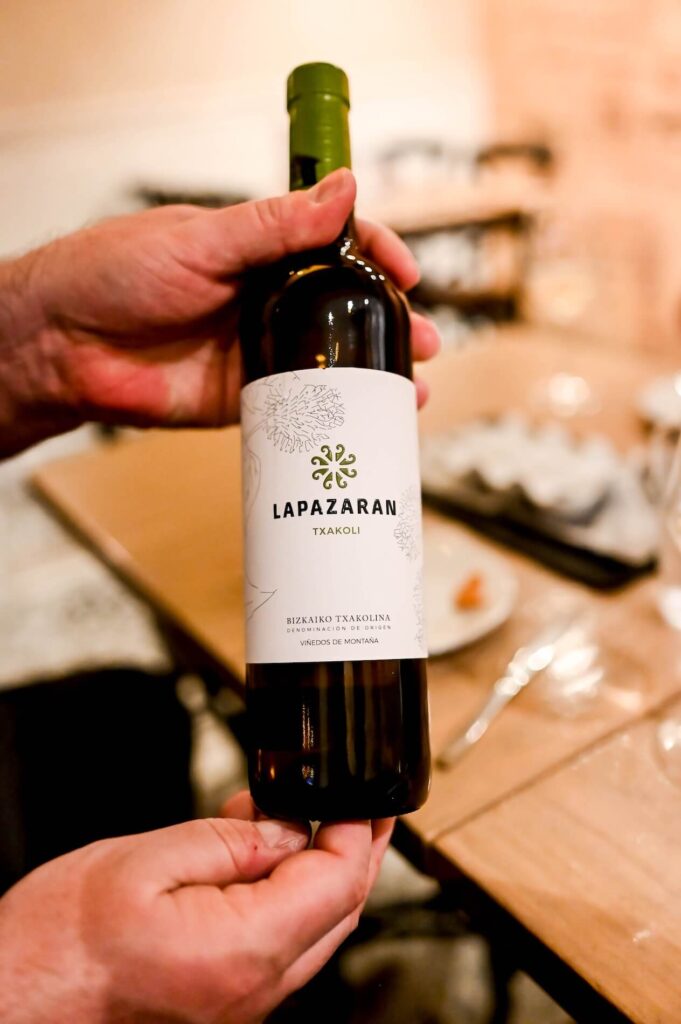
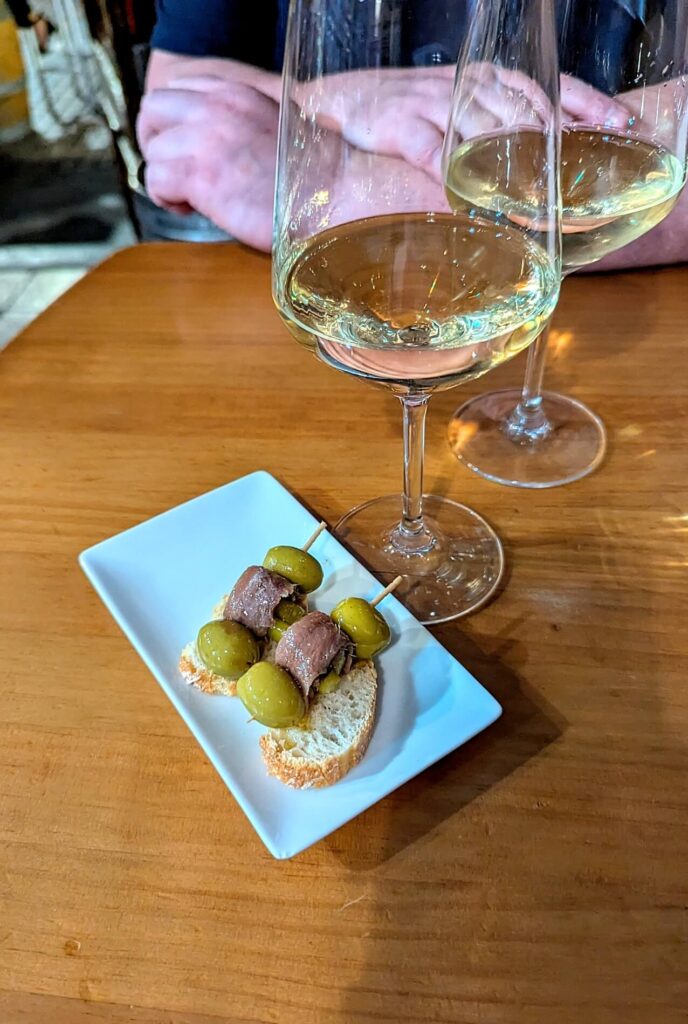
There are three different regions in the Basque Country producing txakoli from the Hondarribi Zuria grape, each with their own unique qualities in terms of flavor profile, level of effervescence, and color.
Getariako Txakolina has the most effervescence to it (my personal favorite) and it’s encouraged to pour this from a certain height above the glass (much like Basque cider). This aerates the wine and helps release flavors as it splashes into the glass.
Roll up to any pintxos bar and ask for “un vaso de Txakoli!”
Marianito
Vermouth is a big aperitif in Spain and in the Basque Country, they make a special vermouth-based cocktail called the marianito, or vermut preparado. The marianito (supposedly invented in Bilbao) is kind of like a Spanish version of the negroni but more vermouth-forward.
Ingredients for this bev include vermouth, gin, Campari, angostura bitters, and a twist of orange. Of course, different bars will have different ratios of ingredients and maybe even a surprise ingredient or two.
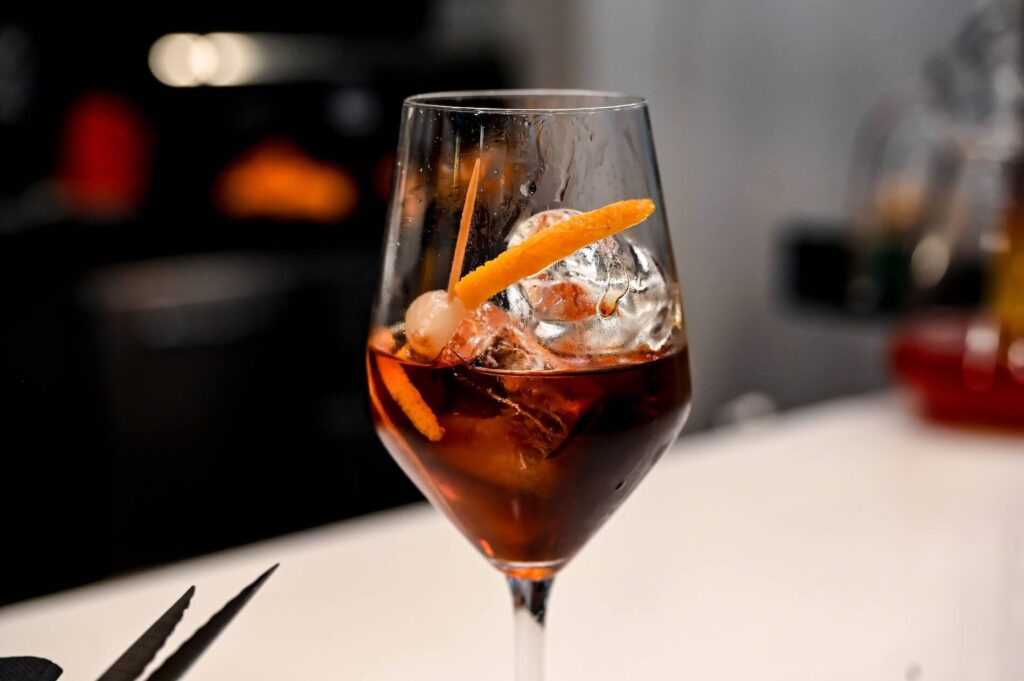
The best marianito we had was the “special” marianito from Mendaur in San Sebastian, garnished with a balsamic-soaked pearl onion. And when in Bilbao, head over to Baster in the Casco Viejo neighborhood.
Cider
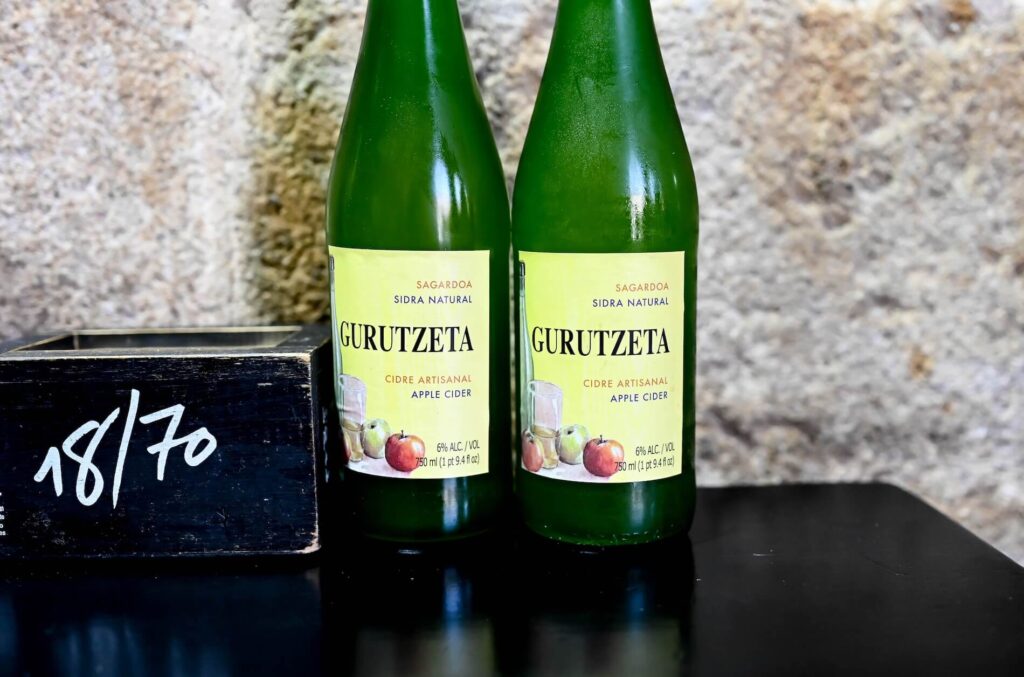
Basque cider (sagardoa) is a big part of Basque culture having been around for centuries! It’s dry, a bit tart (not sweet at all), and still instead of sparkling. Basque cider can only be made using apples grown in Basque country and there are no added ingredients – it’s just apples gettin’ their natural fermentation on.
How this cider is poured is an important part of its consumption. It needs to be poured from a decent height above the glass, which aerates it and opens up the natural flavors. This is actually a bit of an art that takes practice!
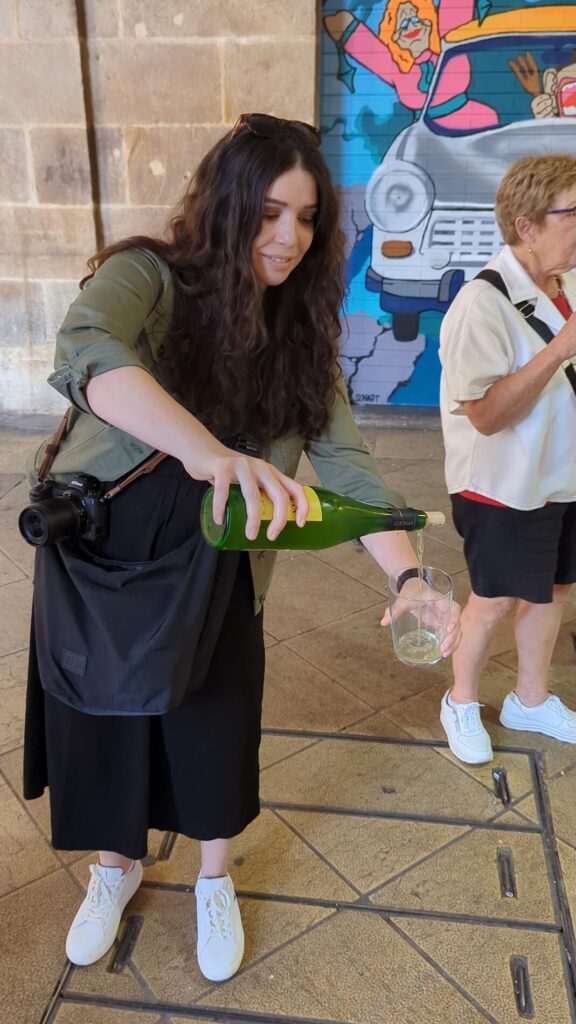
On our food tour in Bilbao, we got the chance to practice pouring cider, wherein I demonstrated the reason why this is an outside activity. Our guide said that people will often pour cider in a bathtub or shower if they can’t get outside. Smart.
Visit a Cider House
In cider houses (called sardotegia), the tradition of pouring cider is known as txotx (“choch”). This word also gets called out when a fresh barrel is ready to be opened. People then line up and take turns getting a pour straight from the barrel! It’s a whole ritual, which is why the best place to have an authentic cider experience is at a cider house. You can either visit on your own by car or bus or with a group tour to take away the hassle.
Cider season runs from January to April/May, but there are some cider houses open year round if visiting in the offseason. Plenty of bars and restaurants also serve cider if you don’t get the chance to make it to a cider house!
As you can see, there’s no shortage of unique and specialty items to eat and drink when visiting Basque Country! What dishes and drinks are you adding to your list first on a visit to this amazing food destination?
Read Next:
- Searching for the Best Gilda Pintxos in Basque Country
- 5 Must-Try Desserts in Spain’s Basque Country
- Bilbao Food Tour Review – The Best Intro to Bilbao & the Basque Food Scene
- Savoring Bilbao: A Foodie’s Guide on Where to Eat in Bilbao, Spain
- Best Things to Do in Bilbao, Spain for Food, Art & Architecture Lovers!
- 3-Day Bilbao Itinerary: Discover the City’s Best Pintxos, Museums & Architecture
- Must-Try Restaurants in San Sebastian, Spain – The Best Foodie City in the World!
- Best Things to Do in San Sebastian (Especially for Food and Drink Lovers)
- 3-Day San Sebastian Itinerary for Food Lovers: Pintxos Bar Hopping & Everything in Between



Leave a Reply